
Choosing office seating a whole team can live in.
FURNITURE INSIGHTS
EDUCATION
HEALTHCARE
WORKPLACE
EXPLORE by Category
Search the Blog


READER ETIQUETTE
© - Content and images in this blog are copyright of Harkel Office unless stated otherwise. Feel free to repost or share images for non-commercial purpose, but please make sure to link back to this website and its original post.
℗ - We do not store any information about your visit to our website other than for analytics and optimization for content and reading experience through the use of cookies.
No single piece of furniture is used by more people, for more hours, than the office chair. Here is how to choose office seating for a whole team of different bodies and working days: what genuinely matters in ergonomics, how to test before committing, and how the budget stays honest.
Why does office seating deserve the most attention?
Because it is the only furniture every person uses for hours at a stretch, every working day. Desks hold the work; chairs hold the people. A seating decision made well disappears into comfortable, focused days, and one made poorly announces itself before the first month is out.
Office seating is also the one place an office plan touches every person individually. The rest of the space is shared; the chair is personal. Experienced facilities leads give seating its own conversation for exactly that reason, instead of leaving it as a line at the bottom of the workstation order.
There is a simple operational truth underneath: chairs are the furniture used hardest and noticed fastest. Choosing office seating well early removes the most common source of furniture friction an office ever generates.
What makes a chair genuinely ergonomic?
Adjustability you can feel: seat height and depth, lumbar support that meets the curve of the back, arms that move in more than one direction, and a recline mechanism that follows the body instead of fighting it. The word on the label matters less than the ranges; ergonomic means it fits the person sitting, once adjusted.
The practical test takes one minute: can the chair be fitted to the smallest and the tallest person on your team without tools or a manual? The wider the adjustment ranges, the more of your team one model can honestly serve, and the longer that model stays right as the team changes.
Be cautious of the chair that fits no one because it was chosen to fit everyone on paper. Adjustability is measured in ranges, ranges are measured against your actual people, and that is why the fitting step belongs inside the process rather than after the complaints.
How do you choose office seating for many different bodies?
Start from the range of your team rather than an average. Specify models with generous adjustment ranges, add sizes where one shell honestly cannot serve everyone, and let the people who will sit do some sitting before the order is placed. Comfort is personal, and a good plan admits it.
A plan that acknowledges different bodies also pays off every single day, because people notice that their comfort was considered. Few line items in an office budget return that much goodwill per dollar.
Sizing also has a practical side the spreadsheet never shows: a chair that fits is used as designed, with the back supported and the feet planted, while a chair that fits poorly gets perched on, leaned out of, and blamed. Fit is how the ergonomics you paid for actually arrive.
Should the whole team get the same chair?
A sensible standard with honest exceptions. One main model keeps the office coherent, simplifies parts and warranty, and makes every future move painless, while exceptions serve the people and tasks a standard cannot. The standard serves most, the exceptions serve the rest, and everyone sits well.
Standardizing keeps paying years later: replacement parts stay available, new team members are fitted from stock rather than from a new procurement, and the office reads as one considered space instead of a collection of separate purchases.
The exceptions deserve the same seriousness as the standard: a task that runs long hours, a workstation shared across shifts, a person the standard shell does not serve. Handled early, each is a line in the plan; handled late, each is a return shipment.
How do you test office seating before committing?
Sit in it, for real. A showroom hour with your shortlist settles debates no brochure can, and seeing the whole plan in realistic 3D settles the rest: your actual floor, your finishes, your seating in place, approved before anything is ordered. Choose with your body first and your eyes second.
Bring the sceptics along. The colleague who distrusts every chair is the most valuable tester in the building, and a shortlist that survives them will survive the whole team. Ten minutes of honest sitting beats ten pages of specifications.
Testing also sorts the practical details early: casters matched to your flooring, arm styles that fit under your work surfaces, and finishes that sit well beside the rest of the plan. Each is a small decision that is cheap in the showroom and tedious after delivery.
What do standards like ANSI/BIFMA actually tell you?
ANSI/BIFMA (American National Standards Institute and Business and Institutional Furniture Manufacturers Association) testing means a chair has been cycled, loaded, and stressed in a lab until the weak points show, so it does not fail under years of real use. For a team purchase, it turns feels-sturdy into documented evidence a decision-maker can sign.
Ask which tests a model has passed and keep the answers in the project file, beside the warranty terms. Lead times vary by seating family, so the documented shortlist is also the one that keeps the delivery schedule honest.
How do office seating budgets work for a whole team?
Openly, per person, and across a real range. The budget goes on the table first, and options are compared across 60+ top vendors, entry level to high end, the majority Canadian-made, so you see what each tier buys and where the money matters most. The honest numbers belong in that conversation, because your team and your days set them.
The useful discipline is thinking in working days rather than invoices. A chair is priced once and used for thousands of hours, and the difference between tiers is usually adjustability, durability, and warranty rather than looks. Spend where people sit longest; save where they perch.
Ask how warranty service works at each tier as part of the price, because a chair repaired in week two of a problem costs less across five years than a cheaper one replaced twice.
How does seating change in a hybrid office?
Shared seating rewrites the specification: adjustments that take seconds rather than minutes, surfaces that stand up to daily cleaning, and durability rated for constant resetting. In a hybrid office, a chair stops belonging to one person and starts serving everyone, and it has to be specified for that life.
The ratios shift too: fewer identical task chairs at fixed desks, more of the seats people actually choose through a day, from the focus-room chair to the lounge seat that holds a laptop hour comfortably. Count those honestly and the seating plan carries the whole hybrid rhythm.
Plan a simple care rhythm for shared chairs from day one: a wipe-down habit, a quarterly adjustment check, and a named person who hears about problems early. Shared furniture stays good when someone is clearly responsible for it.
Office seating is the most personal decision in any workplace plan and the one your team lives with longest. Choose with real bodies, real tests, and real documentation, and the chairs disappear into years of good working days.
Recent Posts
the harkel JOURNAL
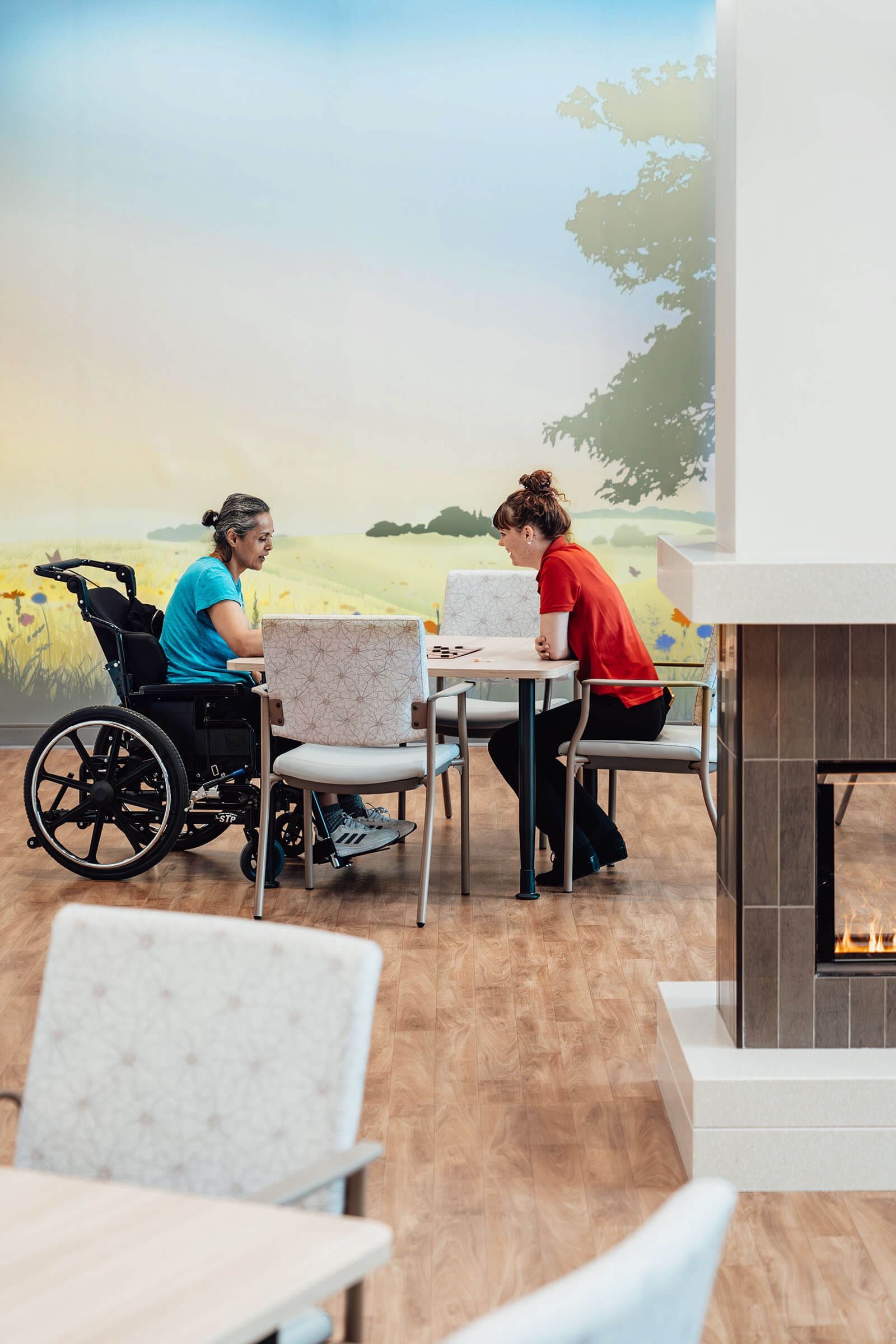
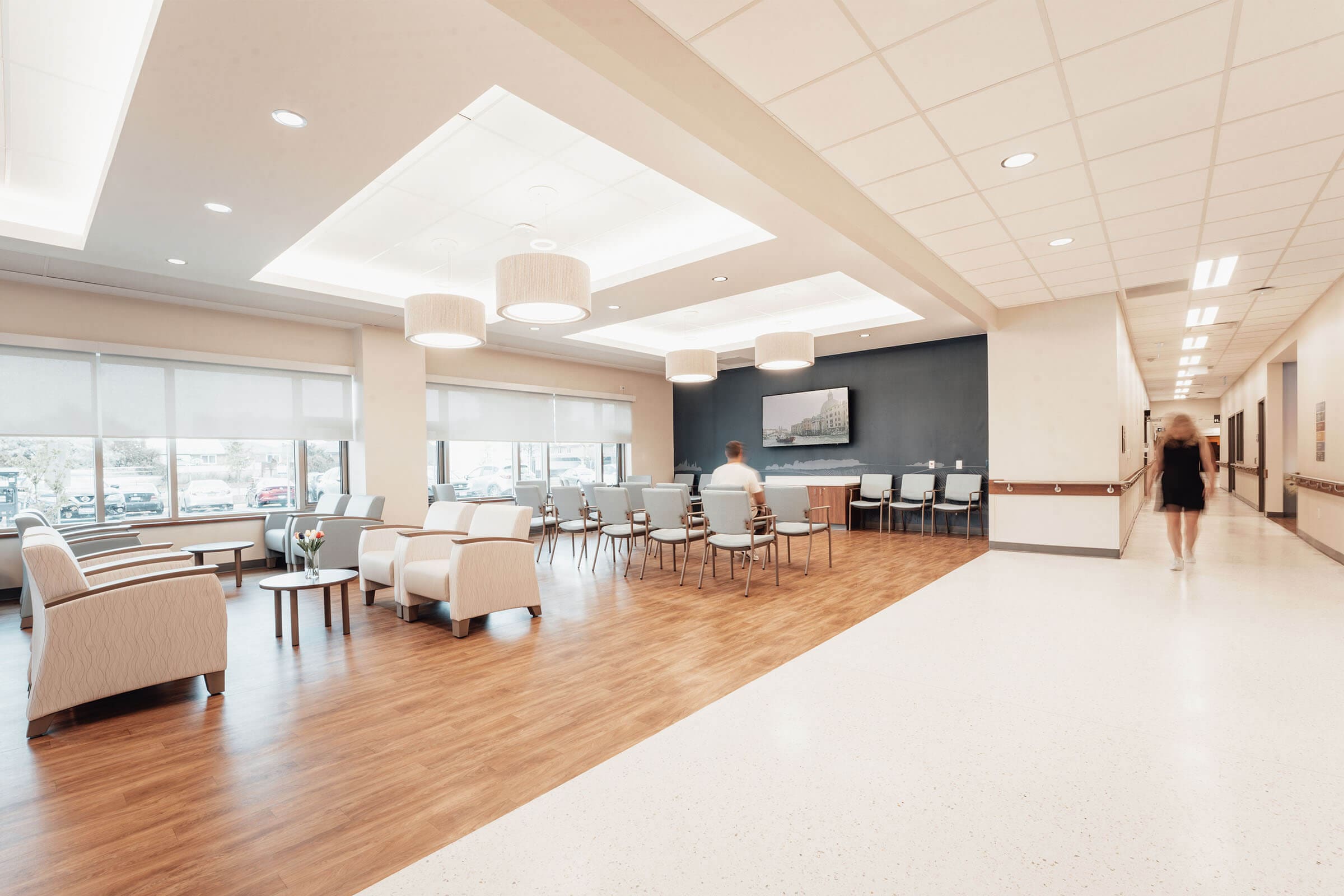
From a first office, a single classroom, or a two-chair clinic to the prestigious 1.2 million square foot Cortellucci Vaughan Hospital, the standard of care is identical.
Almost five decades. Hundreds of spaces. One promise.
The Equal Experience Promise
Work Better. Heal Better. Learn Better.

Harkel Office Furniture Limited is a family-led commercial furniture company in Vaughan, Ontario that has planned, supplied, and installed furniture for workplace, healthcare, and education environments across the Greater Toronto Area for almost five decades.
