5 Reasons Why The Millennial Workplace Doesn’t Work For Gen-Z
As Generation Z (Gen-Z) begins to enter the workforce, it’s becoming apparent that the millennial-designed workplace doesn’t fully meet their needs or expectations. Although millennials and Gen-Z share some similarities, distinct differences in their values, communication styles, and technological fluency have led to a mismatch in workplace design and culture. In this article, we explore the top five reasons why the millennial workplace doesn’t work for Gen-Z and how employers can adapt to create environments that support this emerging generation.
Differences In Technology Use
Millennials grew up during the rise of the internet and mobile technology, but Gen-Z has never known a world without it. This generation is often referred to as digital natives, having been immersed in technology from a young age. They are more comfortable with digital communication and quick to adopt new technologies.
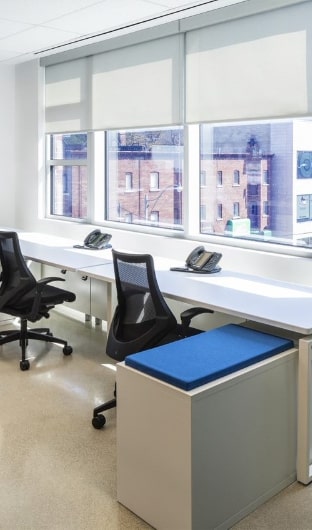
In contrast, the millennial workplace often emphasizes email communication, desktop-centric workstations, and traditional software solutions. For Gen-Z, who favour instant messaging, mobile-first applications, and cloud-based tools, this setup can feel outdated and inefficient. Employers need to embrace more advanced technology solutions, such as collaborative platforms like Slack or Microsoft Teams, and ensure that workspaces are equipped with the latest tech to appeal to Gen-Z’s digital preferences.
Desire For Flexibility And Mobility
While millennials value flexibility, Gen-Z takes it a step further by prioritizing mobility and remote work options. This generation places a high value on work-life balance and autonomy, seeking jobs that offer flexible schedules and the ability to work from anywhere. They are less likely to adhere to the traditional 9-to-5 workday and prefer environments that allow them to integrate work with their personal lives seamlessly.
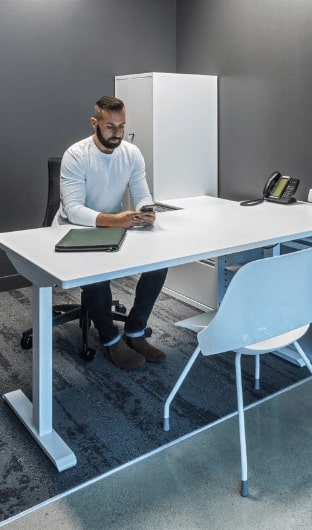
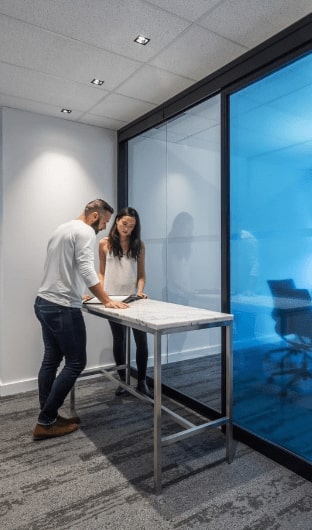
The millennial workplace often features open-plan offices designed for in-person collaboration, which can be limiting for Gen-Z employees who thrive in varied environments. To attract and retain Gen-Z talent, companies should consider offering flexible work arrangements, including collaborative work spaces, private work zones, break rooms, and hybrid or remote work options to cater to their needs.
Emphasis On Individuality And Personalization
Gen-Z places a strong emphasis on individuality and personalization, seeking environments that allow them to express their unique identities. Unlike millennials, who often embraced the communal and uniform aspects of open-plan offices, Gen-Z prefers spaces that can be customized to reflect their personal style and work preferences.
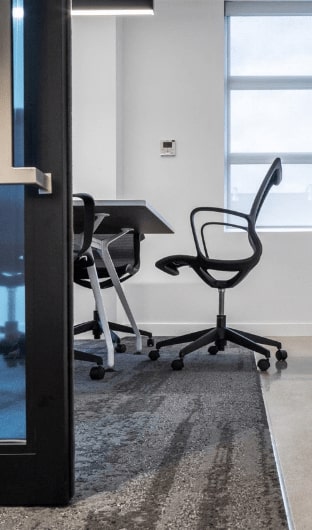
The millennial workplace typically features uniform workstations with little room for personalization. However, Gen-Z values the ability to personalize their workspaces, whether through the choice of furniture, decoration, or technology. Employers can meet this demand by offering flexible workspace designs that allow for individual expression and by encouraging employees to personalize their areas to suit their needs and personalities.
Focus On Mental Health And Well-being
Both millennials and Gen-Z are concerned with mental health, but Gen-Z is more vocal about its importance and expects employers to prioritize well-being in the workplace. This generation is more likely to seek out employers that offer mental health resources, promote work-life balance, and foster a supportive and inclusive work environment.
The millennial workplace, while increasingly acknowledging mental health, often falls short of providing comprehensive support systems that Gen-Z demands. Employers can address this gap by implementing mental health programs, offering wellness benefits, and creating an open dialogue about mental health in the workplace. Additionally, designing spaces that promote relaxation and stress relief, such as quiet areas or meditation rooms, and outdoor areas with biophilic design can help address Gen-Z’s focus on well-being.
Demand For Diversity And Inclusion
Gen-Z is the most diverse generation, and they expect their workplaces to reflect this diversity. They seek employers committed to fostering an inclusive environment where everyone feels welcome and valued, regardless of their background or identity.
While millennials also value diversity, Gen-Z places a stronger emphasis on tangible actions and results. They want to see diversity and inclusion initiatives that go beyond lip service, including diverse leadership teams, equitable hiring practices, and supportive employee resource groups.
Employers looking to attract Gen-Z talent should prioritize genuine diversity and inclusion efforts, demonstrate transparency in their initiatives, and actively involve employees in creating an inclusive culture. As Gen-Z continues to enter the workforce, it’s crucial for employers to recognize the differences between this generation and their millennial predecessors. By understanding the unique needs and preferences of Gen-Z, companies can adapt their workplace environments to better support this emerging generation. Embracing advanced technology, offering flexible work arrangements, prioritizing mental health, allowing for personalization, and committing to diversity and inclusion are key steps in creating a workplace that resonates with Gen-Z and sets the stage for future success. Connect with Harkel Office – a leading office furniture dealer in Ontario with over 47 years of experience, to design an office that caters to the needs of all employees, as we firmly believe in the concept of one size doesn’t fit all, and implement it in all our design projects. Call us at 905-417-5335 or visit https://harkeloffice.com.