5 Ways To Make Your College Campus Design Stand Out
Designing a college campus is a task that goes beyond the mere construction of buildings and pathways; it’s about creating an environment that inspires learning, fosters community, and stands as a beacon of innovation and sustainability. Whether you’re part of a design team or an administrator looking to revamp your institution’s landscape, here are five impactful ways to ensure your college campus design truly stands out and inspires students and educators alike.
1. Embrace Sustainable Architecture
Incorporating sustainable architecture is not just a trend—it’s a necessity. By prioritizing eco-friendly materials and energy-efficient solutions, your campus can become a leader in environmental responsibility. Start with:
Green Buildings: Use locally sourced, sustainable materials. Consider incorporating green roofs and walls that not only enhance aesthetics but also improve air quality and insulation.
Renewable Energy: Install solar panels or wind turbines to power campus facilities. This not only reduces carbon footprint but also serves as a teaching tool for students.
Water Conservation: Implement rainwater harvesting systems where possible to minimize water usage. These features highlight the importance of resource conservation.
2. Create Interactive Outdoor Spaces
Outdoor areas are vital for student interaction and relaxation in a college campus design. To make these spaces more engaging:
Learning Gardens: Develop gardens that serve dual purposes of beauty and education. These can include botanical gardens with native species or garden rooms for sustainable eating practices.
Outdoor Classrooms: Set up outdoor spaces equipped for teaching and group discussions. These areas can be versatile, allowing for various activities and fostering a connection with nature.
Art Installations: Incorporate sculptures, murals, and other art forms that reflect the culture and values of the college. Interactive art can also be a great way for students to engage and express themselves.
3. Enhance Connectivity and Accessibility
A standout campus design is easily navigable and accessible to all. Consider these elements when designing:
Universal Design Principles: Ensure that all pathways and buildings are easily accessible to individuals with disabilities. Add ramps, elevators, and clear signage to the campus for easy navigation.
Smart Campus Solutions: Implement technology that improves connectivity, such as campus-wide Wi-Fi, digital maps, and apps that help students navigate facilities and services with ease.
Transportation Options: Enhance connectivity by providing bike-sharing programs, electric shuttle services, and pedestrian-friendly walkways. This reduces reliance on cars and promotes a healthier lifestyle.
4. Incorporate Flexible Learning Environments
The traditional classroom setting is evolving, and your college campus design should reflect these changes:
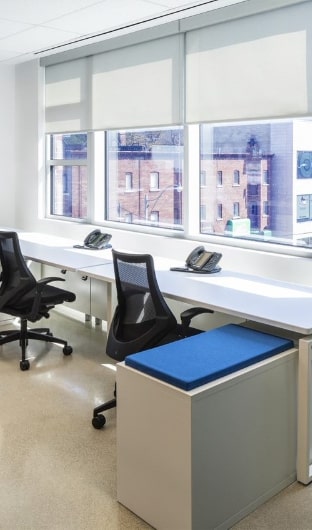
Modular Furniture: Use furniture that can be easily rearranged to accommodate different teaching styles and student needs. This flexibility encourages collaboration and active learning.
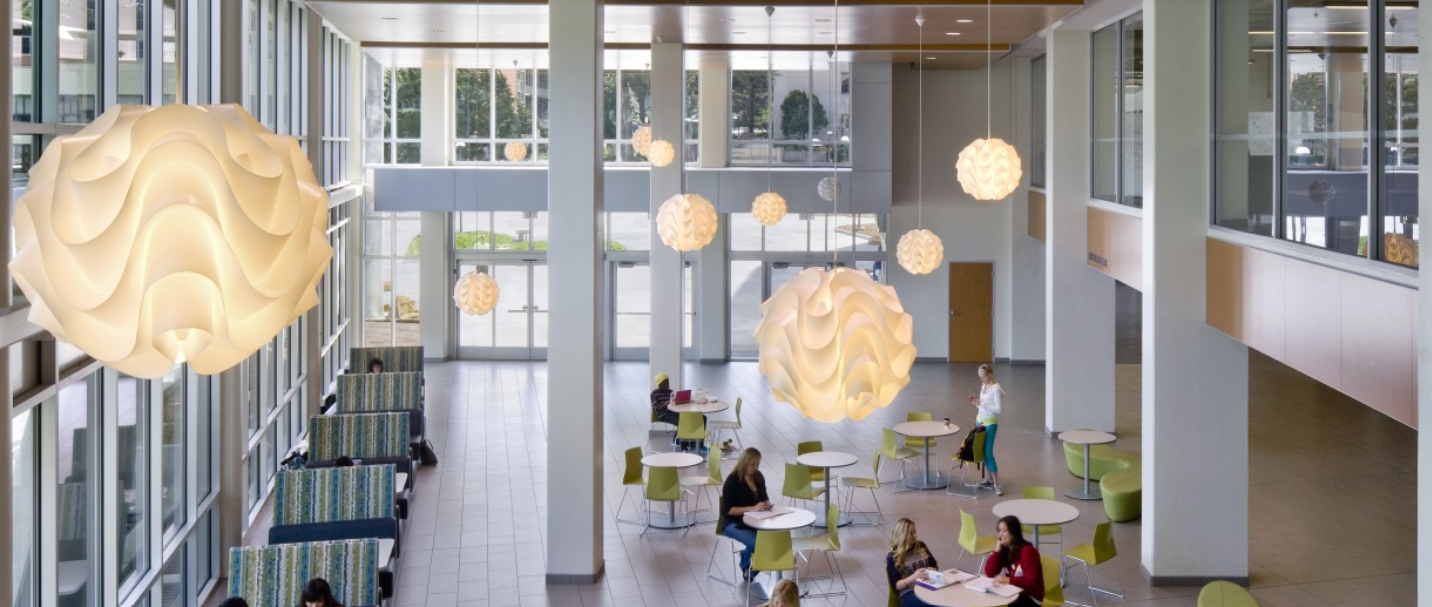
Multi-purpose Spaces: Design rooms that serve multiple functions, from lectures to group projects to quiet study areas. These adaptable spaces maximize utility and provide students with varied learning environments suited for their needs.
Technology Integration: Equip classrooms with the latest technology, such as smart boards, virtual reality equipment, and video conferencing tools. This prepares students to tackle technology in the practical world and enhances the learning experience.
5. Foster Community and Inclusivity
A college campus should be a microcosm of the broader society, reflecting diversity and inclusivity:
Cultural Centres: Establish spaces dedicated to celebrating different cultures and identities. These centres can host events, workshops, and celebrations that promote understanding and acceptance.
Collaborative Hubs: Create spaces where students from different disciplines can collaborate on projects. These hubs encourage innovation and cross-pollination of ideas.
Wellness Spaces: Designate areas for mental health and wellness support, such as meditation rooms, counselling centres, and health clinics. These services are crucial for student well-being and academic success.
Designing a college campus that stands out requires a thoughtful approach that balances aesthetics, functionality, and sustainability. By embracing these five strategies, you can create a campus environment that not only meets the needs of today’s students but also prepares them for the challenges of tomorrow. With a commitment to innovation and inclusivity, your college campus can become a model for others to follow, inspiring both its current students and future generations. Connect with Harkel Office – a leading Canadian education furniture dealer, to create a college campus that stands out. Call us at 905-417-5335 or visit https://harkeloffice.com.