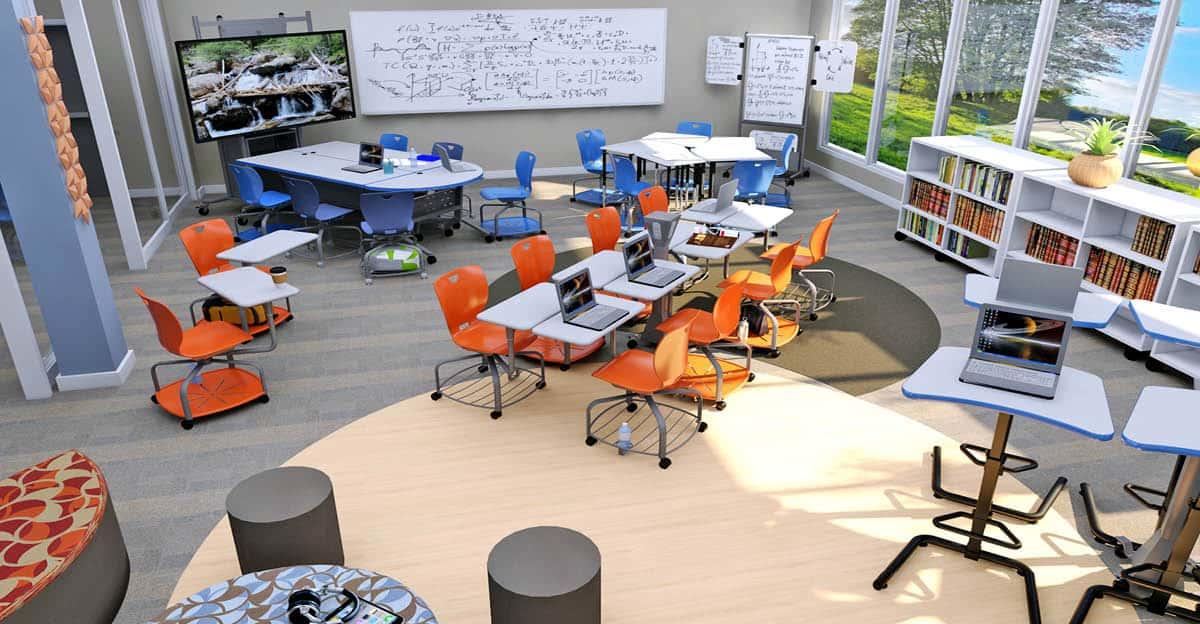
Creating Collaborative Spaces Where Students Feel Welcome And Relaxed
In the evolving landscape of education, the importance of creating spaces that foster collaboration and relaxation cannot be overstated. As educators and institutions strive to develop environments that enhance student learning and well-being, the focus has shifted towards designing collaborative spaces that are welcoming and conducive to relaxation. These spaces not only encourage interaction and teamwork but also provide a respite from the academic pressures students face. Here’s how to create collaborative spaces where students feel welcome and relaxed.
The Importance Of Collaborative Spaces
Collaborative spaces are crucial in modern educational settings for several reasons:
- Enhanced Learning: Collaboration encourages the sharing of ideas, leading to deeper understanding and retention of information. When students work together, they can pool their strengths and learn from one another.
- Social Skills Development: Collaborative spaces allow students to practice communication, negotiation, and teamwork skills, which are essential in the workplace and personal relationships.
- Increased Engagement: When students are part of a team, they are more likely to be engaged with the task at hand. This engagement can lead to increased motivation and better academic outcomes.
- Emotional Support: Collaborative spaces provide a sense of community and belonging, where students can support each other emotionally, reducing feelings of isolation and stress.
Designing Welcoming And Relaxed Collaborative Spaces
To create collaborative spaces that are both welcoming and relaxed, consider the following design elements:
1. Flexible Furniture
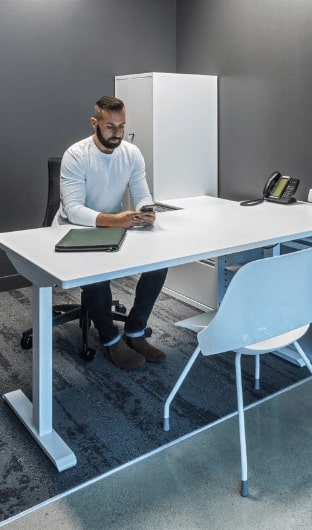
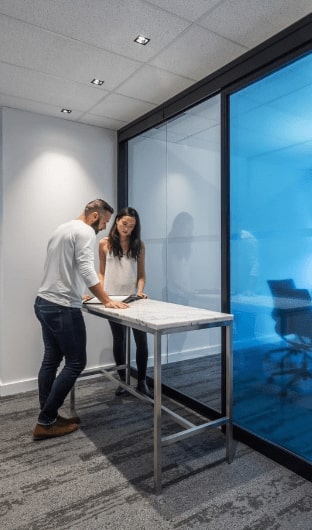
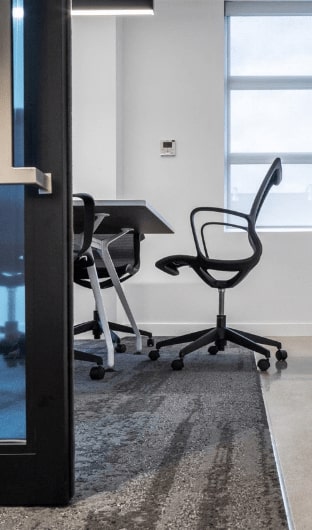
Flexibility is key to creating a space that can adapt to various needs. Use modular furniture that can be easily rearranged to accommodate different group sizes and activities. Tables and chairs on wheels allow students to customize their workspace, making it more personal and comfortable. Bean bags, soft seating, and standing desks can also offer variety and cater to different preferences.
2. Incorporate Natural Elements
Bringing elements of nature into a collaborative space can have a calming effect. Incorporate plants, natural light, and materials like wood and stone to create a soothing atmosphere. Biophilic design not only enhances aesthetic appeal but also promotes well-being and reduces stress levels.
3. Create Zones For Different Activities
Design the space with distinct zones to cater to various activities. For instance, have areas for quiet study, collaborative projects, and informal gatherings. This zoning ensures that students can choose the environment that best suits their current task or mood, enhancing focus and productivity.
4. Technology Integration
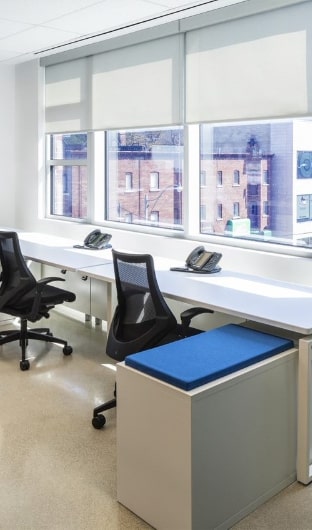
Incorporating technology seamlessly into the space is crucial for modern collaboration. Ensure that there are ample charging stations, Wi-Fi access, and tools like interactive whiteboards or screens for presentations. Technology should enhance the learning experience without dominating the space, allowing for both digital and face-to-face interactions.
5. Comfortable And Inclusive Design
Spaces should be designed with inclusivity and comfort in mind. Consider the diverse needs of students, including those with disabilities. Ensure that all areas are accessible and provide furniture that accommodates different body types and physical abilities. Comfortable seating, appropriate lighting, and temperature control are essential for creating a welcoming environment.
6. Incorporate Student Input
Involve students in the design process to ensure the space meets their needs and preferences. Gather feedback through surveys or focus groups to understand what students find most beneficial in a collaborative space. This involvement not only ensures the space is functional but also fosters a sense of ownership and pride among students.
The Role of Colour And Aesthetics
The aesthetics of a collaborative space can significantly impact how students feel and interact within it. Consider the following tips:
- Colour Psychology: Use colors that promote calmness and creativity. Soft blues and greens can create a relaxed atmosphere, while pops of brighter colours like yellow or orange can stimulate creativity and energy.
- Art and Decor: Incorporate student artwork or murals to personalize the space and make it feel more welcoming. This can also instill a sense of pride and community.
- Minimalist Design: Avoid clutter and excessive decorations that can be distracting. A minimalist approach with clean lines and open spaces can enhance focus and relaxation.
Encouraging A Culture Of Collaboration
Creating a physical space is just one part of fostering collaboration. It’s equally important to encourage a culture that values teamwork and open communication. Here’s how:
- Lead by Example: Educators and staff should model collaborative behaviour, showing students the benefits of working together and supporting each other.
- Set Expectations: Clearly define the goals and expectations for collaborative work. Encourage students to set group norms and roles to ensure accountability and effective teamwork.
- Provide Support and Resources: Offer guidance and resources on effective collaboration techniques. Workshops or seminars on communication skills, conflict resolution, and project management can empower students to work together more effectively.
- Celebrate Successes: Acknowledge and celebrate collaborative achievements. This recognition can motivate students and reinforce the value of teamwork.
Creating collaborative spaces where students feel welcome and relaxed is essential for fostering a supportive and dynamic learning environment. By focusing on flexible design, natural elements, technology integration, and inclusive practices, educational institutions can develop spaces that enhance learning, well-being, and social interaction. Coupled with a culture that values collaboration, these spaces can significantly enrich the student experience, preparing them for future success both academically and personally. Connect with Harkel Office – a leading education furniture dealer in Ontario to create a thoughtful and engaging classroom that fits all your students. Call us at 905-417-5335 or visit https://harkeloffice.com.