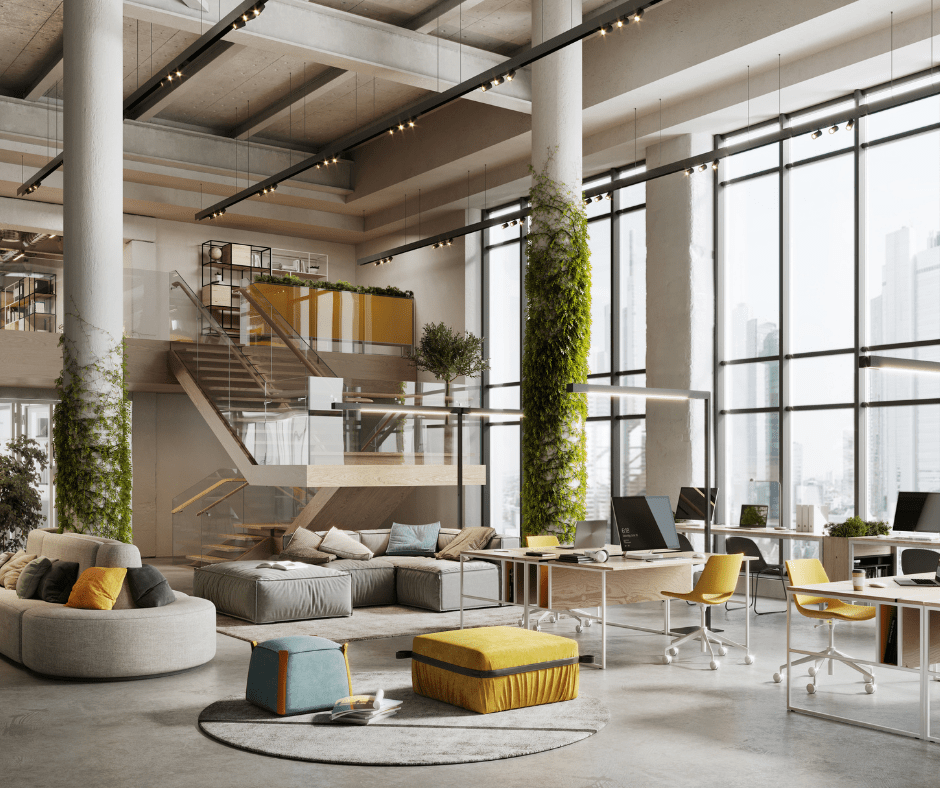
6 Ways Your Office Design Will Evolve In 2027
As we approach 2027, the evolution of the workplace is inevitable. The rapid pace of technological advancement, shifting cultural values, and emerging environmental concerns are reshaping the office landscape. While change can be daunting, it also offers exciting opportunities for improved productivity, creativity, and well-being. Here are six ways your office is likely to transform over the next few years, making it a more human-centric and dynamic space.
1. Emphasis On Well-being And Mental Health
By 2027, offices will be designed with well-being as a core priority. Employers are increasingly recognizing that a happy, healthy workforce is a productive one. You can expect to see more of this from responsible workspaces that support mental health and wellness initiatives:
Quiet Zones: Offices will incorporate quiet areas for relaxation and meditation, providing a sanctuary from the bustling work environment.
Wellness Programs: Companies will offer programs focused on mental health support, stress management, and physical fitness, integrating these aspects into the daily work routine.
Biophilic Design: The presence of nature will be emphasized through indoor plants, natural light, and outdoor workspaces to reduce stress and improve overall mood.
2. Flexible And Hybrid Work Models
The traditional 9-to-5 office setup is giving way to more flexible arrangements. By 2027, hybrid work models will be the norm, allowing employees the freedom to choose where and how they work:
Flexible And Modular Workspace: Offices will feature flexible and modular workspace with furniture and walls that can be easily rearranged to meet the dynamic demands of the workforce. Employees will have access to shared workspaces that they can use based on their needs.
Remote Work Integration: Companies will continue to support remote work options, with the necessary technology in place to ensure seamless communication and collaboration between on-site and off-site employees.
Work-Life Balance: Flexible hours and hybrid models will help employees maintain a better work-life balance, leading to increased job satisfaction.
3. Advanced Technology Integration
Technology will be at the forefront of office transformation, streamlining operations and enhancing the work experience across diverse industries:
AI and Automation: Routine tasks will be encouraged to be automated through artificial intelligence, freeing up employees to focus on more strategic and creative work.
Smart Offices: Internet of Things (IoT) devices will create smart offices, where everything from lighting to climate control is optimized for efficiency and occupant comfort.
Virtual Reality (VR) and Augmented Reality (AR): These technologies will revolutionize training, presentations, and collaboration, creating immersive and interactive experiences.
4. Sustainable And Eco-Friendly Practices
Environmental consciousness will shape the future of workspaces. By 2027, sustainability will be a key consideration in office design and operations:
Eco-Friendly Materials: Offices will be constructed with sustainable materials, and existing spaces will undergo green retrofitting.
Energy Efficiency: Solar panels, energy-efficient lighting, and smart climate control systems will reduce the carbon footprint of office buildings.
Waste Reduction: Initiatives like zero-waste policies and recycling programs will become standard, encouraging employees to adopt sustainable habits.
5. Diversity And Inclusivity
Smart organizations realize that a diverse and inclusive workplace fosters innovation and creativity. By 2027, offices will be designed to reflect and celebrate a wide range of perspectives and backgrounds:
Inclusive Design: Workspaces will be accessible to all, with features that accommodate individuals with disabilities and support diverse needs.
Cultural Celebrations: Offices will host events and programs that honour different cultures, creating a rich tapestry of shared experiences and understanding.
Diverse Leadership: Companies will prioritize diverse hiring practices, ensuring leadership teams represent a variety of voices and perspectives.
6. Collaborative and Creative Spaces
The office of 2027 will emphasize collaboration and creativity, providing spaces that inspire innovation and teamwork:
Open-Plan Layouts: While open-plan offices have been debated, when designed thoughtfully, they encourage interaction and spontaneous collaboration.
Innovation Labs: Dedicated spaces for brainstorming and experimentation will foster creativity and allow employees to develop new ideas and solutions.
Social Hubs: Casual areas for socializing and networking will be integral, strengthening team connections and enhancing workplace culture.
As we move towards 2027, the office will continue to evolve into a space that highlights well-being, flexibility, technology, sustainability, diversity, and collaboration. These changes are not just about aesthetics or efficiency; they reflect a deeper commitment to creating environments where people can thrive both personally and professionally. Embracing these transformations will ensure that offices remain relevant, engaging, and inspiring places to work in the years to come. As we adapt to these changes, we will find new ways to connect, innovate, and excel, making the future of work not just different, but better. Connect with Harkel Office – a leading office furniture dealer to set up an office that meets the unique demands of the modern workplace. Call us at 905-417-5335 or visit https://harkeloffice.com.