
Creating Neurodivergent And Sensory-Friendly Classrooms
Creating a classroom environment that is both neurodivergent and sensory-friendly is essential in fostering inclusive education. Neurodivergent students, including those with autism, ADHD, dyslexia, and other neurological differences, often face unique challenges in traditional classroom settings. Designing spaces that accommodate a variety of sensory and learning needs, educators can support every student’s potential to thrive. Here are some key considerations and strategies for creating classrooms that cater to neurodivergent and sensory-sensitive students.
Understanding Neurodiversity
Neurodiversity recognizes that neurological differences are a natural and valuable part of human variation. Each student’s brain processes information differently, which can affect how they learn, socialize, and perceive their environment. Understanding these differences is the first step in creating a supportive classroom.
Sensory Considerations
Many neurodivergent individuals experience heightened sensory sensitivities. A classroom that takes these sensitivities into account can significantly improve students’ comfort and ability to focus.
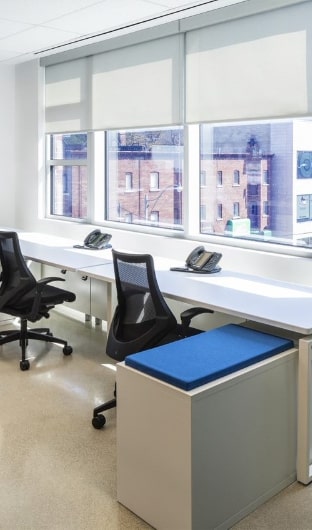
Lighting: Fluorescent lights can be harsh and overstimulating. Consider using natural light or installing dimmable LED lights that reduce glare and flicker. Light covers or filters can also help create a softer lighting environment.
Sound: Classrooms can be noisy places, which can be overwhelming for some students. Use soundproofing materials such as rugs, curtains, or acoustic panels to dampen noise. Designate quiet zones or provide noise-cancelling headphones for students who need them.
Visual Clutter: Too much visual stimulation can be distracting. Keep decorations and artwork minimal and organized. Use calming colours like soft blues and greens to create a serene atmosphere.
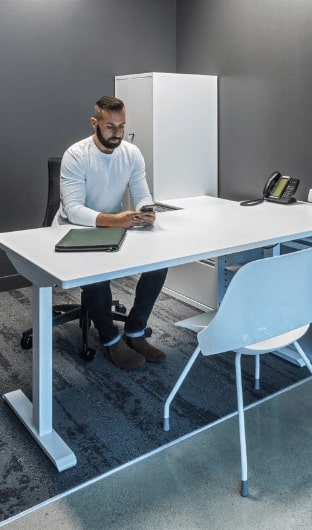
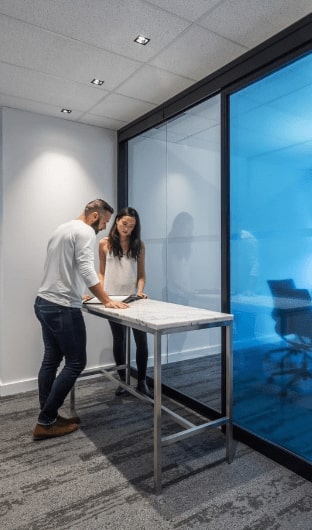
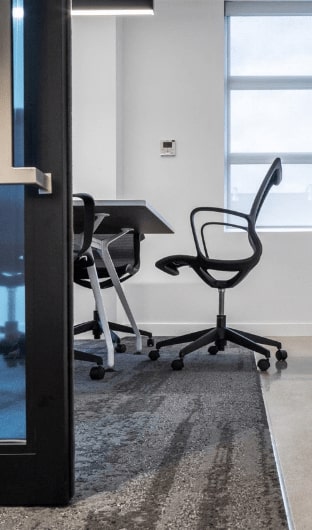
Seating Arrangements: Traditional seating can be restrictive. Offer flexible seating options like bean bags, standing desks, or wobble chairs to accommodate various sensory needs and help students stay engaged.
Creating A Safe And Predictable Environment
A predictable environment with clear routines helps reduce anxiety and supports learning in neurodivergent students.
Structured Schedules: Display daily schedules clearly in the classroom. Use visual timetables with pictures or icons to help students understand what to expect throughout the day.
Consistent Routines: Establish and maintain consistent routines for transitions, lessons, and activities. Predictability provides a sense of security and helps students know what comes next.
Clear Instructions: Use straightforward language and break tasks into smaller, manageable steps. Providing written instructions alongside verbal ones can aid comprehension.
Encouraging Self-Regulation
Helping students learn to manage their sensory needs and emotions is crucial for their success.
Sensory Breaks: Incorporate regular breaks that allow students to engage in sensory activities. This could involve stretching, deep breathing exercises, or using sensory tools like stress balls or fidget toys.
Calm Down Corners: Create a designated area in the classroom where students can go to self-regulate and decompress. Equip it with calming materials such as soft cushions, weighted blankets, or sensory bottles.
Mindfulness Practices: Introduce simple mindfulness exercises to help students develop self-awareness and emotional regulation skills. Techniques like guided imagery or breathing exercises can be beneficial.
Supporting Diverse Learning Styles
Recognizing and supporting diverse learning styles is essential in a neurodivergent-friendly classroom.
Multisensory Learning: Incorporate various teaching methods that engage multiple senses – visual, auditory, and kinesthetic. This approach can enhance understanding and retention for all students.
Differentiated Instruction: Tailor lessons to accommodate different learning levels and preferences. Use a variety of materials, such as videos, hands-on activities, and written resources, to cater to individual strengths.
Assistive Technology: Utilize technology to support learning. Tools such as speech-to-text software, audiobooks, and visual organizers can provide additional support for students who need it.
Building An Inclusive Community
Fostering a sense of belonging and acceptance is fundamental in an inclusive classroom.
Peer Support Programs: Encourage collaboration and peer mentoring. Pairing students with “buddies” can promote social skills and create a supportive classroom community.
Empathy Education: Teach students about neurodiversity and encourage empathy and understanding. Use books, discussions, and activities to promote acceptance and respect for differences.
Open Communication: Maintain open lines of communication with students, parents, and specialists. Collaboration with families and professionals can provide valuable insights and support for individual needs.
Creating a neurodivergent and sensory-friendly classroom involves thoughtful design and a commitment to inclusivity. Through addressing sensory needs, fostering self-regulation, supporting diverse learning styles, and building an inclusive community, educators can create an environment where all students feel valued and empowered to succeed. Connect with Harkel Office – a leading education furniture dealer in Vaughan, Ontario to create your neurodivergent and sensory-friendly educational institute. Call us at 905-417-5335 or visit https://harkeloffice.com for more info.