Blueprint To A Better Classroom Design
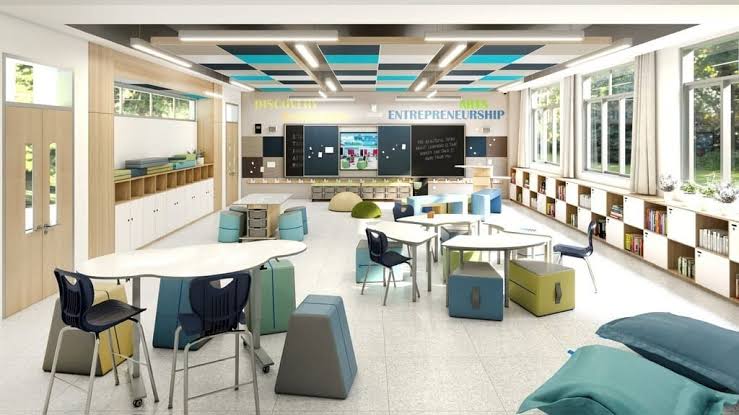
The classroom is the epicentre of learning, where students engage with knowledge, collaborate with peers, and develop skills crucial for their futures. An effectively designed classroom can significantly enhance learning experiences, motivation, and academic outcomes. As educational paradigms shift towards more interactive, student-centred learning approaches, classrooms need to be reimagined to support these changes. This article explores key elements to consider when designing a classroom that fosters engagement, inclusivity, and learning efficiency.
The Importance Of Classroom Design
In recent years, educators and researchers have increasingly recognized the impact of physical classroom environments on student learning and well-being. A well-designed classroom can promote a positive learning atmosphere, reduce distractions, and accommodate diverse learning styles. It can also encourage collaboration and creativity, essential skills for the 21st century.
Elements Of An Enhanced Learning Environment
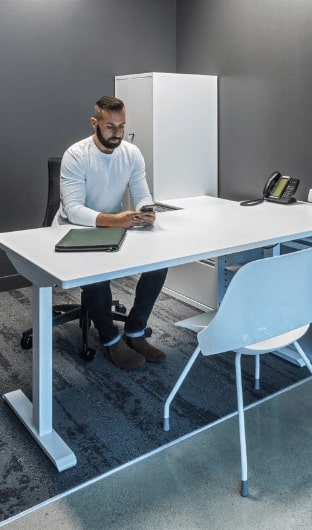
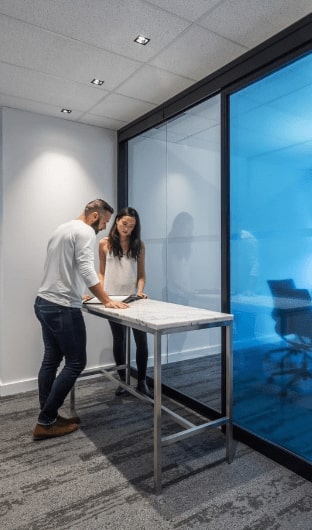
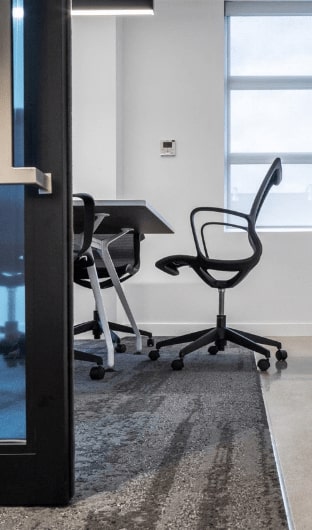
Flexible Seating Arrangements: Traditional rows of desks may not suit the dynamic needs of modern learners. Flexible seating options, such as movable desks and chairs, bean bags, and standing desks, allow students to choose where and how they learn best. This adaptability fosters an environment where students can engage more actively in their learning process.
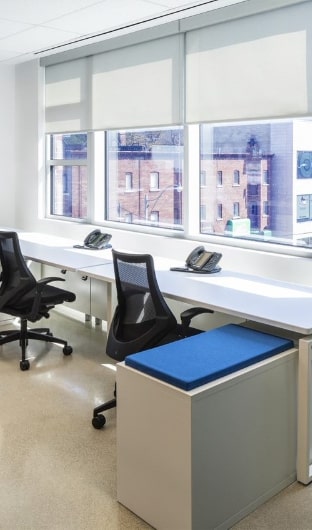
Natural Light and Ventilation: Access to natural light and fresh air is crucial for maintaining students’ concentration and energy levels. Classrooms with large windows or skylights can boost mood and productivity. Incorporating operable windows or mechanical ventilation systems ensures healthy airflow, reducing fatigue and enhancing cognitive function.
Technology Integration: In the digital age, technology is an indispensable tool in education. Classrooms should be equipped with interactive whiteboards, projectors, tablets, and reliable internet access to facilitate digital learning. However, technology should be seamlessly integrated to enhance and not detract from interactive and face-to-face learning experiences.
Acoustic Considerations: Sound levels in a classroom can greatly affect concentration and communication. Poor acoustics can lead to distractions and hinder comprehension. Design strategies such as sound-absorbing materials, carpets, and acoustic panels can help minimize noise pollution and create a more conducive learning environment.
Colour and Aesthetics: The colour scheme of a classroom can influence students’ emotions and energy levels. Soft, calming colours such as blues and greens are known to reduce stress and promote focus, while vibrant accents can stimulate creativity and enthusiasm. Aesthetically pleasing spaces can also enhance students’ connection to their learning environment, making them feel more comfortable and engaged.
Inclusive Design: Inclusive classroom design considers the needs of all students, including those with disabilities. Features such as adjustable desks, wheelchair-accessible pathways, and assistive technology ensure that every student can participate fully in classroom activities. Inclusivity extends beyond physical design, fostering a culture of respect and collaboration among diverse learners.
Storage Solutions: Efficient storage solutions help maintain an organized and clutter-free environment. Built-in cabinets, bookshelves, and drawers provide spaces for storing learning materials and personal belongings. An organized classroom minimizes distractions and maximizes available learning space.
The Role Of Teachers In Classroom Design
Teachers are instrumental in creating and maintaining an effective classroom environment. Their insights into student needs and learning dynamics can guide the design process. Teachers should be involved in decisions about classroom layout and resources, ensuring that the space supports their teaching methods and educational goals.
Strategies For Successful Implementation
Collaborative Design Process: Involving educators, students, and designers in the planning and design stages ensures that the classroom meets the needs of its users. This collaborative approach can lead to innovative solutions that enhance the learning experience.
Pilot Programs: Before implementing large-scale changes, schools can experiment with pilot programs to test new designs and gather feedback. This approach allows for adjustments and refinements based on practical experiences and outcomes.
Professional Development: Providing teachers with training on how to utilize flexible spaces and integrated technology effectively can maximize the benefits of a redesigned classroom. Ongoing professional development ensures that teachers are equipped to adapt to new teaching strategies and tools.
Harkel Office – A Leading Education Furniture Dealer In Vaughan For Better Classroom Design
Many schools worldwide have successfully reimagined classroom spaces to improve educational outcomes. Creating a better classroom design is a crucial step towards enhancing the educational experience for students. By focusing on flexibility, inclusivity, and technology integration, educators can create environments that support diverse learning styles and foster a sense of belonging among students. As educational institutions continue to evolve, thoughtful classroom design will play a pivotal role in preparing students for the challenges and opportunities of the future. Connect with Harkel Office – a leading education furniture dealer in Vaughan, Ontario to create an inspiring educational facility. Call us at 905-417-5335 or visit https://harkeloffice.com/.