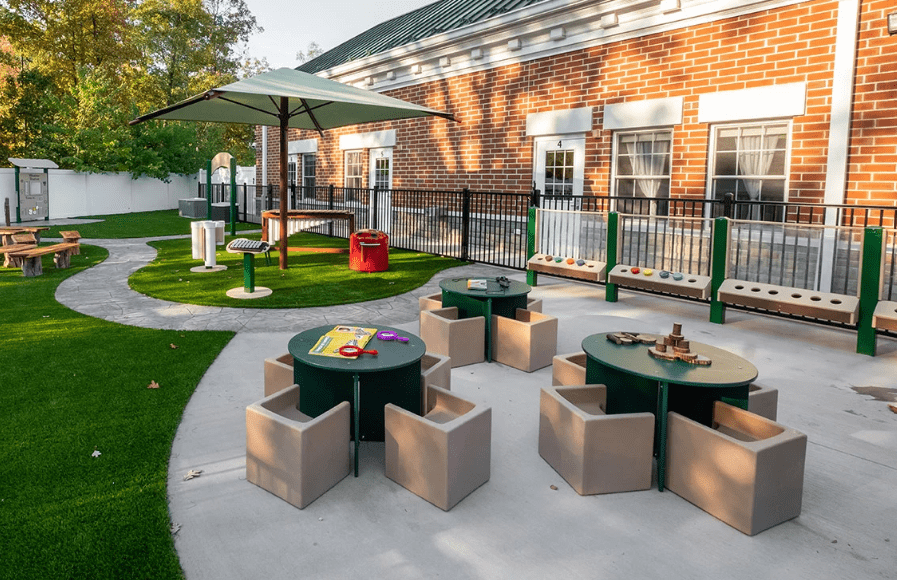
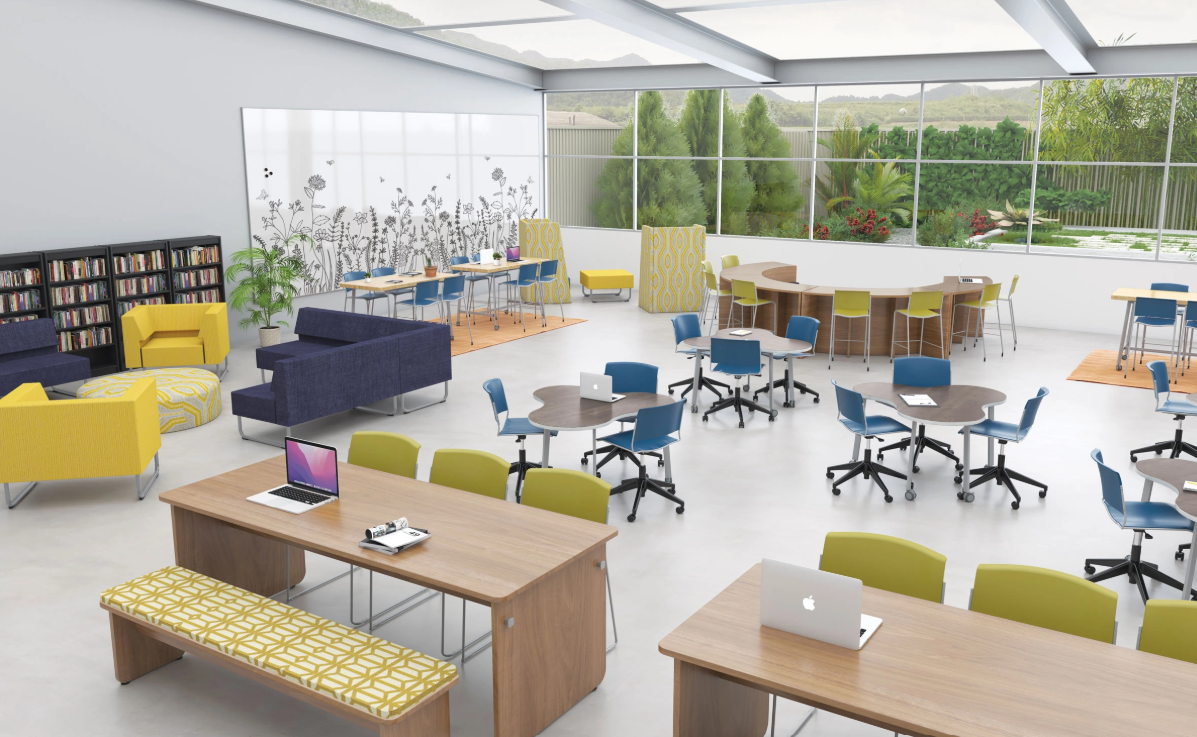
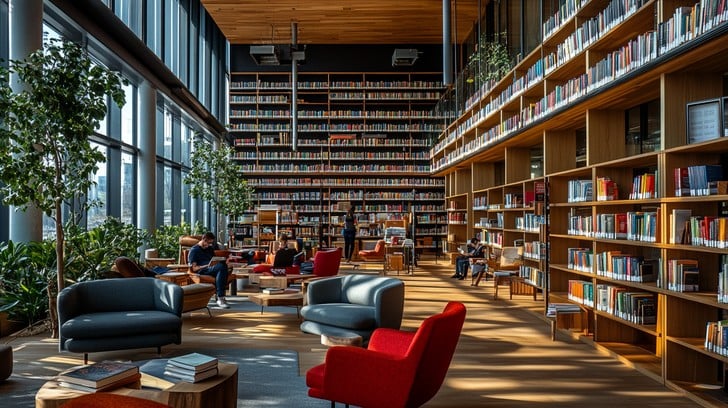
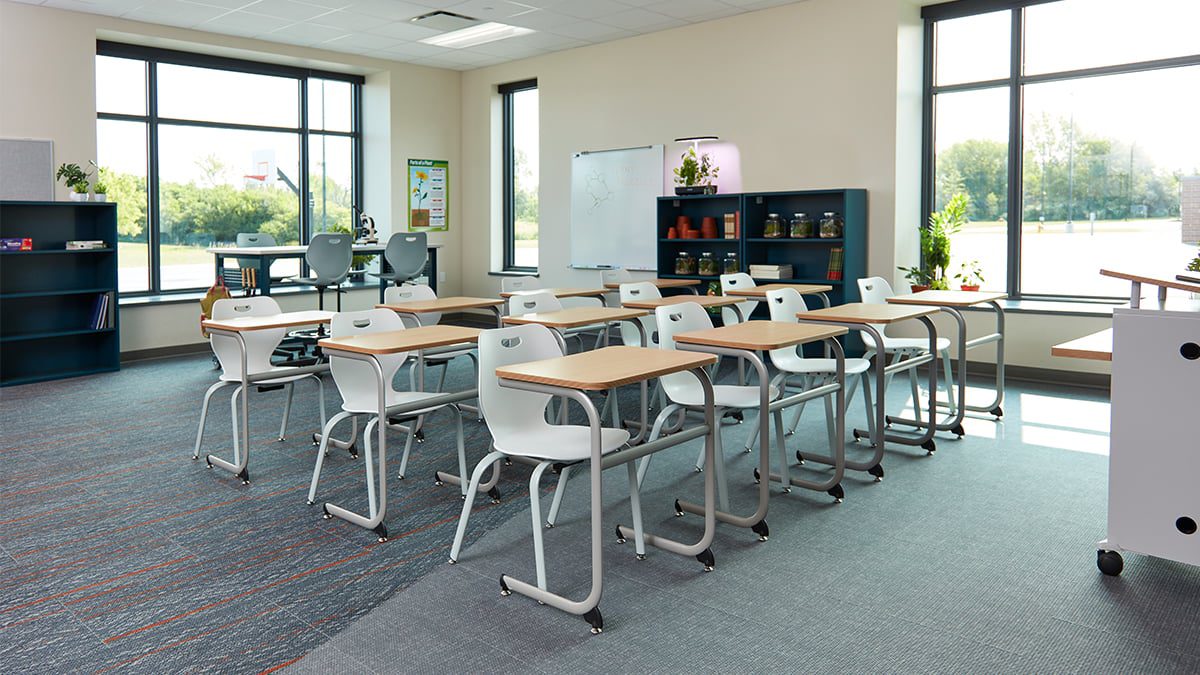
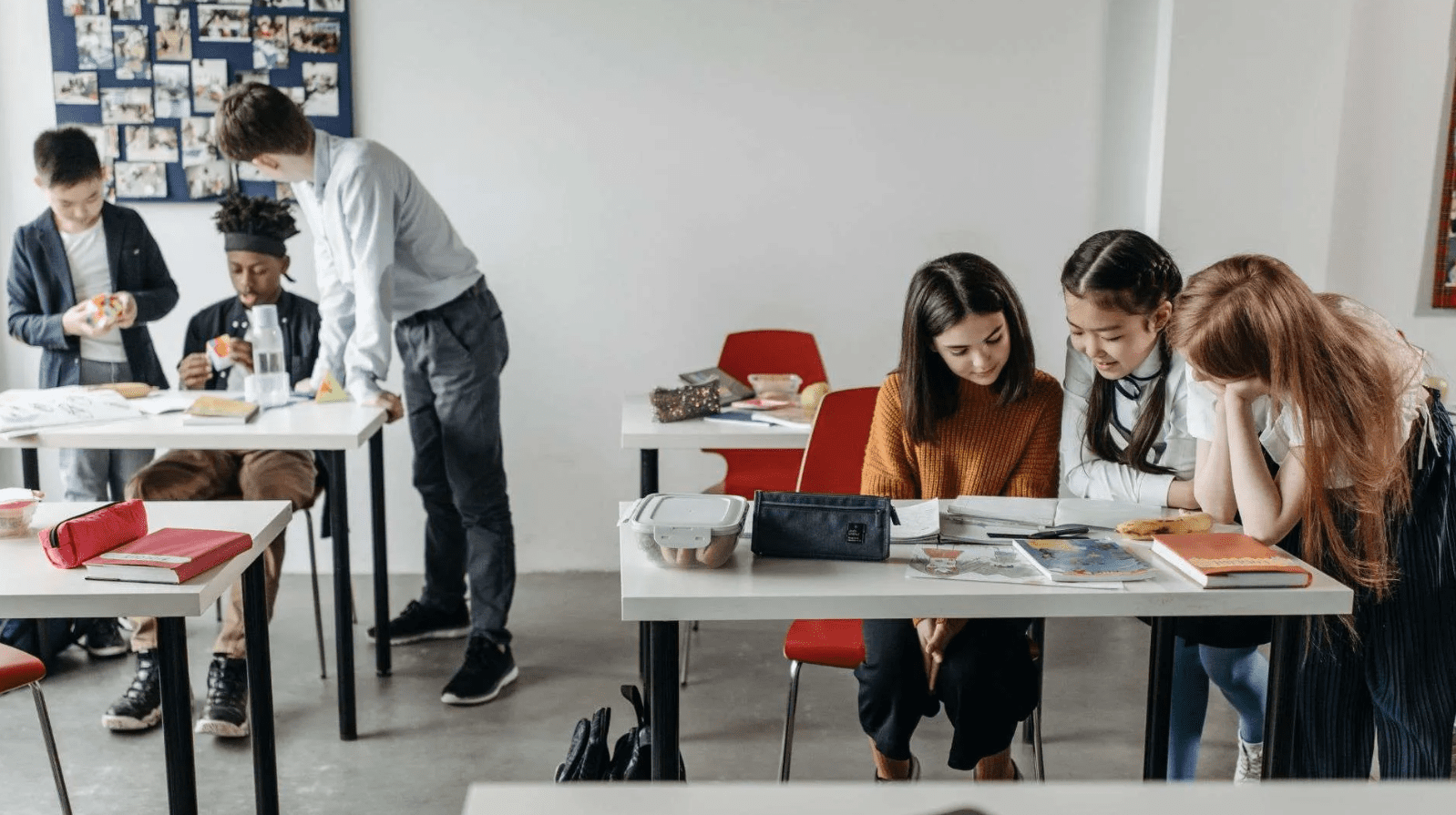
In modern classroom settings, recognizing and accommodating diverse learning styles is essential to fostering an inclusive and effective learning environment. Each student brings unique strengths and preferences to the classroom, and by designing spaces that cater to these differences, educators can enhance engagement, comprehension, and overall academic success. Here are five tips to help you design classrooms that support diverse learning styles.
Continue reading
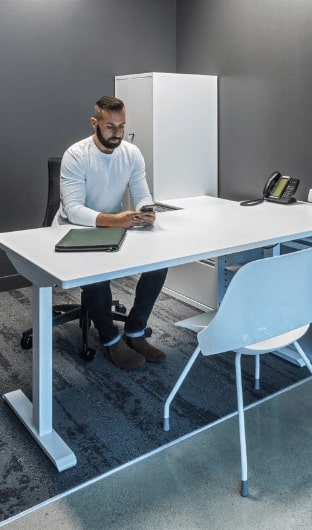
In today’s rapidly evolving educational landscape, creating an inclusive learning environment is crucial. An inclusive space ensures that all students, regardless of their physical abilities or learning styles, have equal opportunities to succeed. One key element in achieving this inclusivity is the thoughtful design of learning environments that incorporate ergonomic furniture. Ergonomic furniture not only enhances comfort and support but also plays a crucial role in fostering engagement, productivity, and well-being among students.
Continue reading
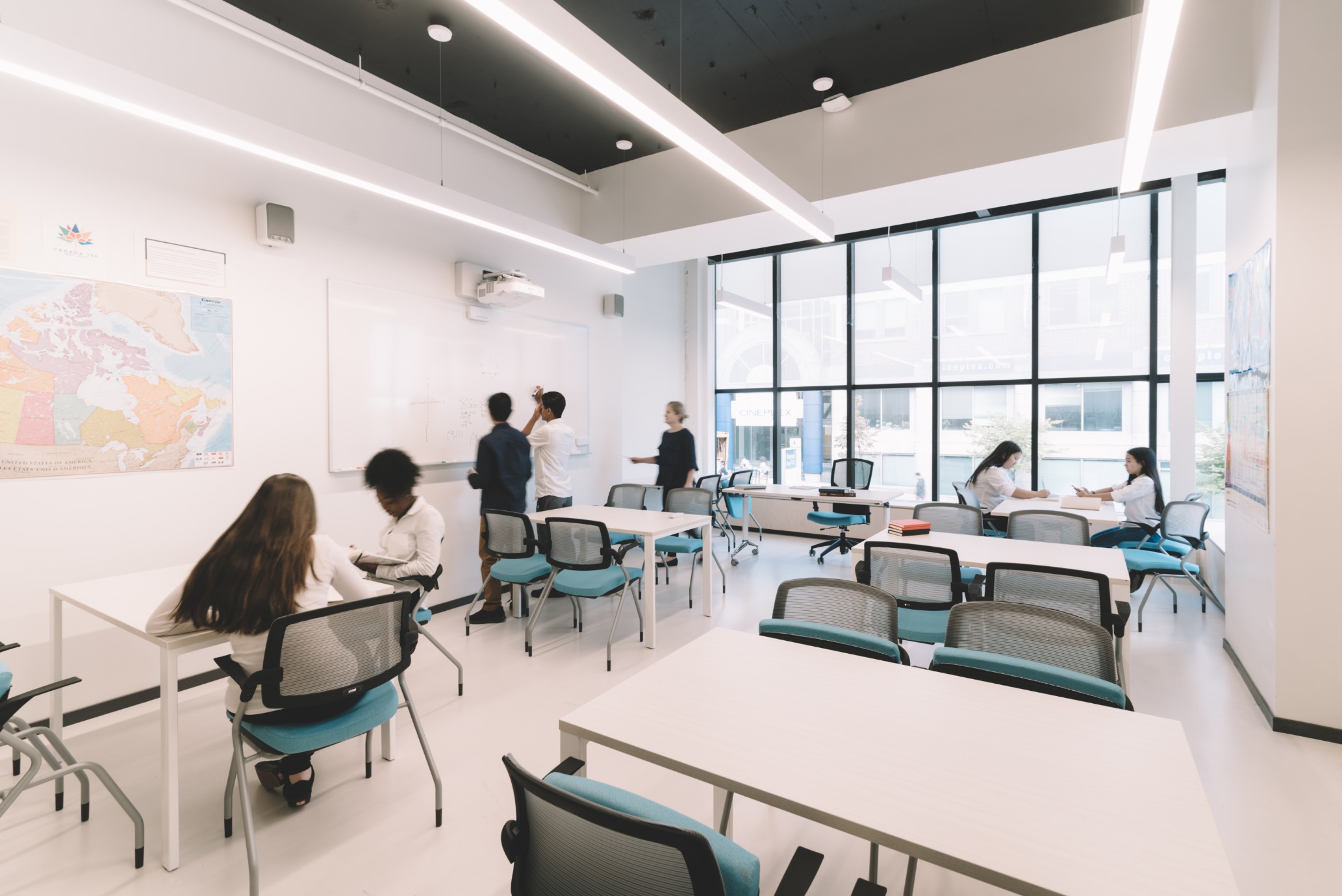
In recent years, the educational landscape has witnessed a transformative shift, moving away from the rigid, traditional classroom setups to more dynamic and adaptable learning environments. At the heart of this change is the concept of flexible seating, an innovative approach that is gaining traction worldwide. Flexible seating involves replacing conventional desks and chairs with a variety of seating options like bean bags, standing desks, stools, and modular furniture, thereby creating spaces that are conducive to learning and collaboration. This article explores the numerous benefits of flexible seating and how it is shaping modern education.
Continue reading
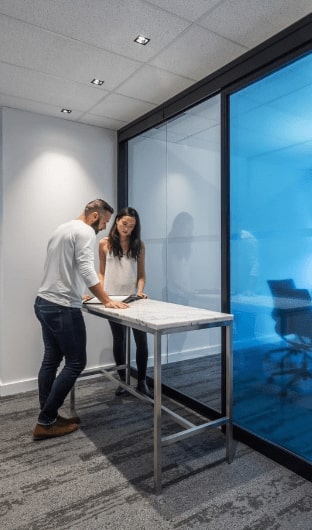
In today’s rapidly evolving educational landscape, modern classrooms are no longer just static environments where teachers lecture and students passively absorb information. Instead, they have transformed into dynamic, interactive spaces that foster collaboration, creativity, and critical thinking. Central to this transformation is the incorporation of flexible furniture. Gone are the days of rigid desks and immovable chairs; now the focus is on adaptability and functionality. Flexible furniture not only accommodates diverse learning styles and activities but also supports the physical and emotional well-being of students. This article will delve into why flexible furniture is essential for modern classrooms, exploring its myriad benefits and how it can create a more engaging and effective learning environment.
Continue reading
In the fast-paced world of education, students are constantly seeking ways to improve their study habits and enhance their learning experiences. One often overlooked but crucial aspect of this endeavour is the type of furniture used in educational settings. Education furniture, designed specifically with students’ needs in mind, can play a pivotal role in helping individuals stay organized and focused while studying. From ergonomic chairs to versatile desks, the right furniture can significantly impact a student’s productivity, comfort, and overall academic performance.
Continue reading