
From Sitting Still To Active Learning: How Classroom Furniture Shapes Student Behaviour
In the evolving landscape of education, classrooms are no longer static environments where students sit passively for hours. Today, there is a growing emphasis on active learning, where students engage, collaborate, and participate in their educational journey. A critical yet often overlooked component in facilitating this shift is classroom furniture. The design and functionality of furniture not only influence students’ physical comfort but also significantly impact their behaviour and learning outcomes. This article explores how modern classroom furniture is transforming educational spaces and fostering more dynamic, engaged learning experiences.
The Traditional Classroom Setup
Traditionally, classrooms have been designed with rows of desks facing the teacher, encouraging a one-way flow of information. This setup has its roots in a time when education was centred around rote learning and teacher-led instruction. While this model may have been effective for imparting basic knowledge and discipline, it often limited student interaction and engagement.
Limitations Of Traditional Furniture
- Limited Movement: Fixed desks and chairs restrict movement, leading to discomfort and decreased concentration over time.
- Passive Learning: The traditional setup emphasizes passive listening, which can hinder engagement and critical thinking.
- Lack of Flexibility: Rigid furniture arrangements make it challenging to adapt the classroom for different teaching methods or group activities.
The Shift To Active Learning
Active learning environments emphasize student participation, collaboration, and critical thinking. This approach requires a reimagining of classroom spaces to support diverse learning activities, from group discussions to hands-on projects.
Key Features Of Active Learning Furniture
- Flexibility: Modular and mobile furniture allows for easy reconfiguration to support various teaching styles and learning activities.
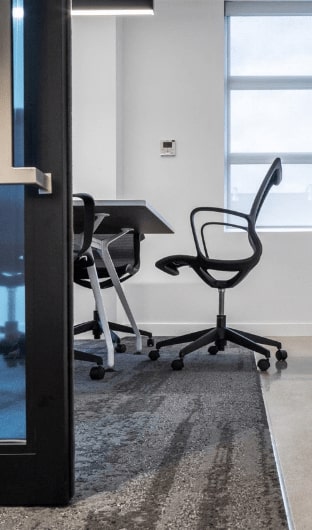
- Ergonomics: Chairs and desks designed with ergonomic principles enhance comfort and focus, reducing physical strain.
- Technology Integration: Furniture that accommodates digital devices supports blended learning and tech-driven projects.
- Collaborative Design: Seating arrangements that promote interaction and teamwork encourage students to engage with peers and participate actively.
How Classroom Furniture Shapes Student Behaviour
Encouraging Movement And Engagement
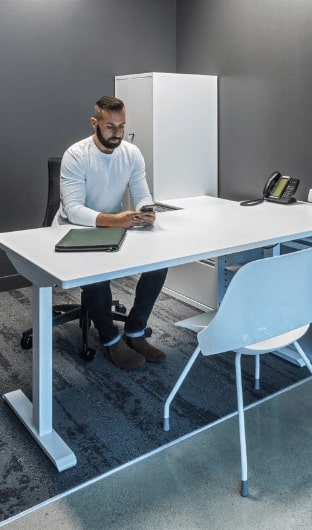
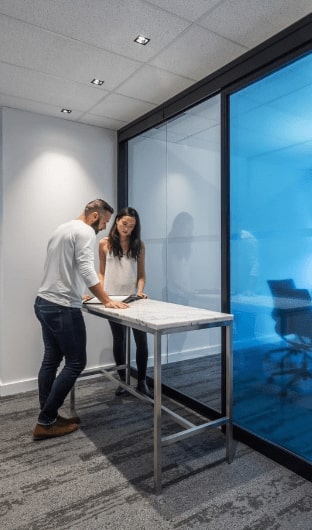
Flexible furniture designs encourage movement, which is crucial for maintaining students’ attention and energy levels. Desks on wheels, adjustable seating, and standing desks allow students to move around and change positions, reducing restlessness and improving concentration.
Fostering Collaboration And Communication
Furniture that supports collaborative work helps break down barriers between students, fostering a sense of community and teamwork. Group tables and circular seating arrangements facilitate discussions and peer learning, encouraging students to share ideas and solve problems collectively.
Supporting Diverse Learning Styles
Every student has a unique learning style, and adaptable furniture accommodates these differences. For example, some students may prefer standing while working, while others may need a quiet corner for focused tasks. Providing a variety of seating options, such as bean bags, stools, or lounge chairs, allows students to choose what works best for them, enhancing their comfort and engagement.
Enhancing Focus And Productivity
Ergonomically designed furniture helps students maintain proper posture, which is essential for concentration and productivity. Features like adjustable desks and chairs ensure that students can work comfortably for extended periods, minimizing distractions caused by discomfort or fatigue.
Integrating Technology Seamlessly
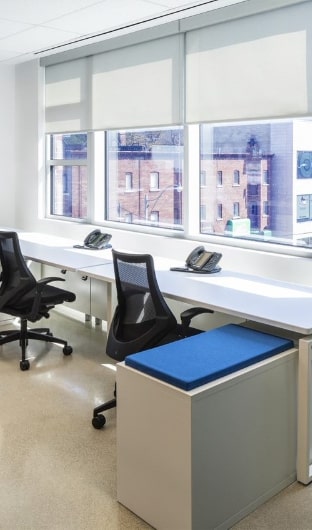
Modern classrooms often incorporate technology as a key component of learning. Furniture that integrates seamlessly with tech devices, such as tables with built-in charging ports or cable management systems, supports a tech-friendly learning environment. This integration allows for smooth transitions between traditional and digital learning modes, keeping students engaged and connected.
The Impact On Learning Outcomes
Research indicates that a well-designed classroom environment can significantly impact students’ academic performance and behaviour. Students in active learning environments typically demonstrate higher levels of engagement, motivation, and participation. They are more likely to develop critical thinking skills and retain information, leading to improved academic outcomes.
Creating A Positive Learning Environment
Beyond academic benefits, the right classroom furniture contributes to a positive and inclusive learning environment. When students feel comfortable and supported, they are more likely to participate actively and express themselves. This sense of inclusion fosters a positive classroom culture where students feel valued and motivated to learn. The transition from sitting still to active learning is reshaping educational spaces and redefining how students engage with their education. Classroom furniture plays a pivotal role in this transformation, offering the flexibility, comfort, and adaptability needed to support modern teaching and learning practices. As educators and schools continue to prioritize active learning, investing in thoughtfully designed furniture will be key to creating environments where students thrive. Connect with Harkel Office – a leading education furniture dealer in Ontario to create a thoughtful and engaging classroom that fits all your students. Call us at 905-417-5335 or visit https://harkeloffice.com.