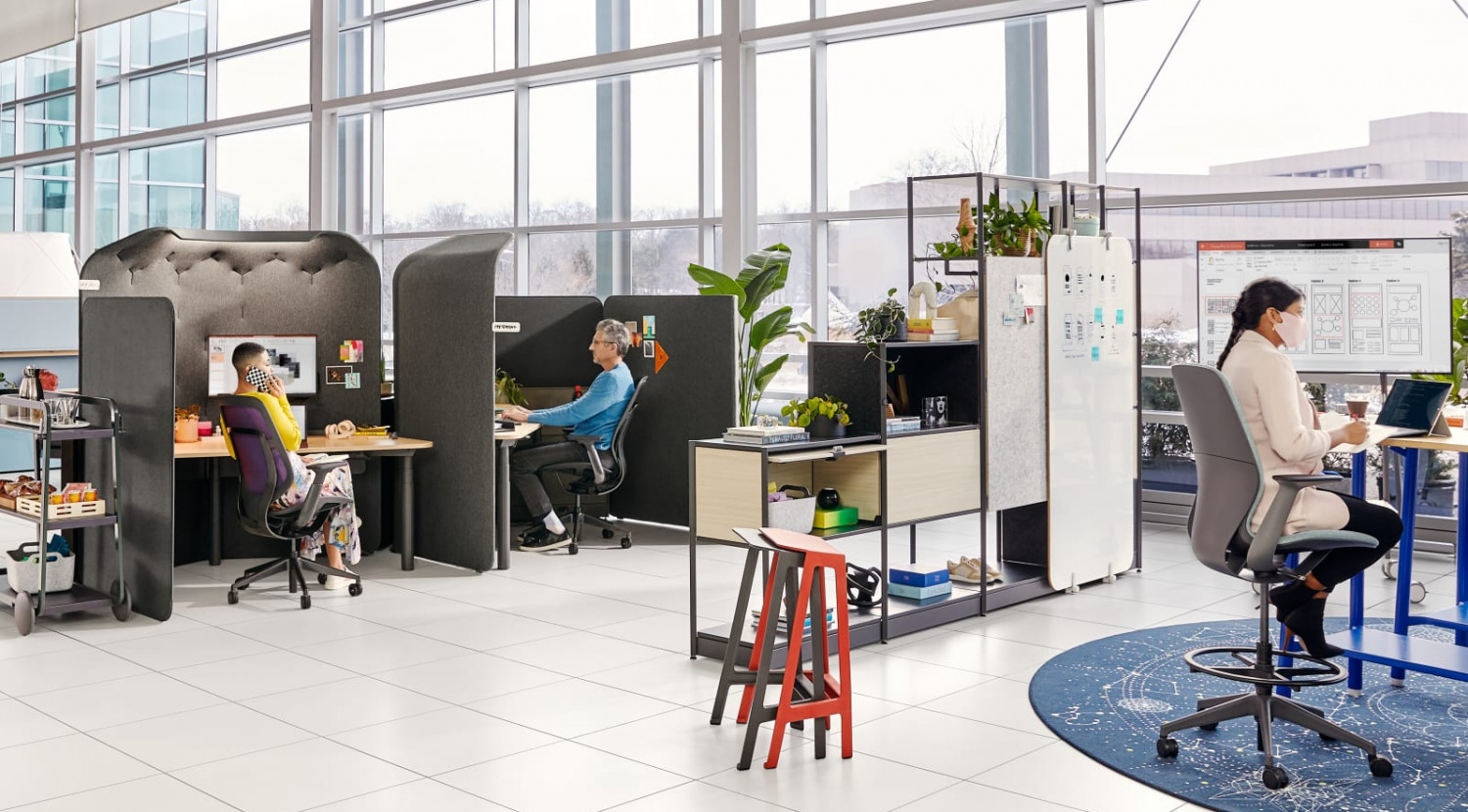
How Office Furniture Shapes Employee Mood And Productivity
In the modern workplace, the design and arrangement of office furniture play a pivotal role in influencing employee mood and productivity. As organizations strive to create environments that foster creativity, collaboration, and efficiency, the importance of selecting the right furniture cannot be overstated. This article explores how different aspects of office furniture impact employee well-being and performance, highlighting the need for thoughtful design choices in creating productive workspaces.
The Psychological Impact Of Furniture Design
Furniture design goes beyond aesthetics; it significantly affects the psychological state of employees. A well-designed workspace can boost morale, reduce stress, and enhance overall job satisfaction. Conversely, poorly chosen or outdated furniture can lead to discomfort, distraction, and a decline in productivity.
Colour And Mood
The colour of office furniture can greatly influence mood and energy levels. Bright, vibrant colours like blue and green are known to promote calmness and concentration, while warmer tones like yellow and orange can stimulate creativity and enthusiasm. Neutral colours can provide a sense of balance and professionalism, making them ideal for environments that require focus and precision.
Comfort And Ergonomics
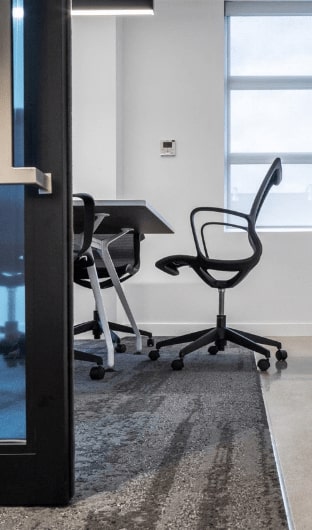
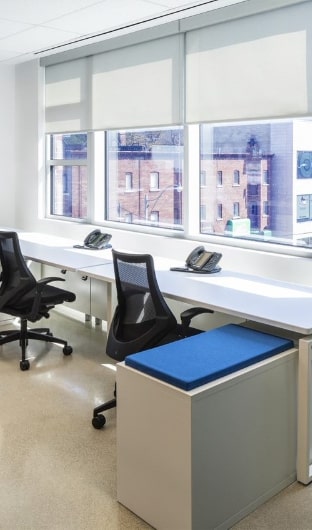
Comfortable, ergonomic furniture is essential for maintaining employee health and productivity. Ergonomic chairs and desks are designed to support natural posture and reduce physical strain, preventing issues like back pain and repetitive strain injuries. When employees are physically comfortable, they are more likely to remain focused on their tasks, resulting in higher productivity and less absenteeism due to health-related issues.
The Role Of Furniture In Encouraging Collaboration
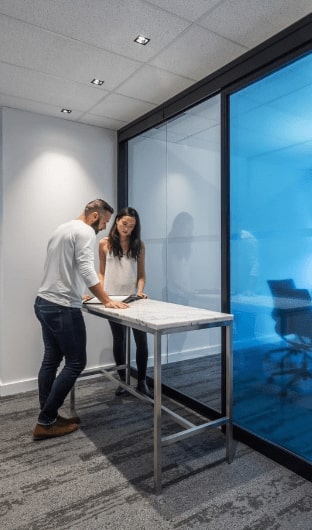
In today’s collaborative work culture, furniture plays a crucial role in facilitating communication and teamwork. Open-plan office layouts with modular furniture allow for easy reconfiguration, enabling teams to collaborate effectively on projects.
Flexible Workstations
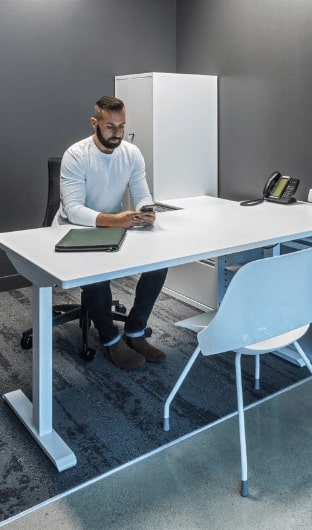
Flexible workstations, including sit-stand desks and modular tables, provide versatility in the workspace. These furniture options allow employees to adjust their work environment to suit their preferences and tasks, promoting adaptability and innovation. Such flexibility can lead to increased engagement and a sense of ownership over one’s work, contributing to overall job satisfaction.
Collaborative Spaces
Designated collaborative spaces with comfortable seating arrangements encourage spontaneous meetings and brainstorming sessions. Lounge areas with couches and coffee tables create informal settings where employees can exchange ideas and build relationships. These interactions foster a sense of community and belonging, which are crucial for maintaining high morale and motivation.
The Influence Of Furniture On Productivity
The physical layout and functionality of office furniture directly impact productivity levels. An organized, efficient workspace minimizes distractions and allows employees to focus on their work.
Organization And Storage Solutions
Clutter can be a significant source of stress and distraction in the workplace. Furniture with built-in storage solutions, such as filing cabinets and shelves, helps maintain an organized environment. When employees can easily access the tools and resources they need, they can work more efficiently and effectively.
Technology Integration
Modern office furniture often includes features that support technology integration, such as cable management systems and charging stations. These elements help employees stay connected and powered up throughout the day, reducing downtime and technical disruptions. Access to technology, seamlessly integrated into the workspace, enhances productivity and allows for smoother workflows.
The Aesthetic Appeal Of Office Furniture
Aesthetically pleasing furniture contributes to a positive work environment, influencing employee pride and satisfaction. A well-designed office with stylish furniture can leave a lasting impression on clients and visitors, reinforcing the company’s brand identity and values.
Branding And Identity
Furniture that reflects the company’s brand and culture can enhance employee alignment with organizational goals. When employees feel connected to their workplace’s identity, they are more likely to exhibit loyalty and dedication. Consistent branding through furniture design contributes to a cohesive and inspiring work environment.
Creativity And Innovation
A creative and visually stimulating environment can spark innovation and new ideas. Artistic furniture pieces, unique layouts, and creative use of space can inspire employees to think outside the box and approach challenges with fresh perspectives. This creativity is essential for driving growth and staying competitive in today’s fast-paced business world. The impact of office furniture on employee mood and productivity is profound and multifaceted.
Thoughtful furniture design fosters collaboration, enhances productivity, and contributes to a positive organizational culture. As businesses continue to evolve, prioritizing the role of furniture in shaping the work environment will be key to achieving long-term success and employee satisfaction. Connect with Harkel Office – a leading Canadian office furniture dealer in Ontario, to design a productive office environment that inspires employee well-being. Call us at 905-417-5335 or visit https//harkeloffice.com to find out more about us.