
Improving Student Concentration In The Classroom: The Role Of Furniture And Other Effective Strategies
In the pursuit of academic excellence, one of the most significant challenges educators face is maintaining student concentration in the classroom. In today’s fast-paced world, students are easily distracted, making it crucial to implement strategies that enhance focus and engagement. While many factors contribute to student concentration, the design of the classroom environment, particularly the furniture, plays an imperative role. Here, we explore how the right furniture, complemented by other effective strategies, can significantly improve student concentration.
The Importance Of Classroom Furniture
1. Ergonomic Design
Ergonomic furniture is essential in creating a comfortable learning environment that promotes concentration. Chairs and desks that support good posture can help prevent discomfort and fatigue, which are common distractions. Ergonomic chairs with adjustable features allow students to sit comfortably, maintaining proper alignment of the spine. Desks at the right height ensure that students can write, type, and read without straining their necks or arms.
2. Flexible Seating Options
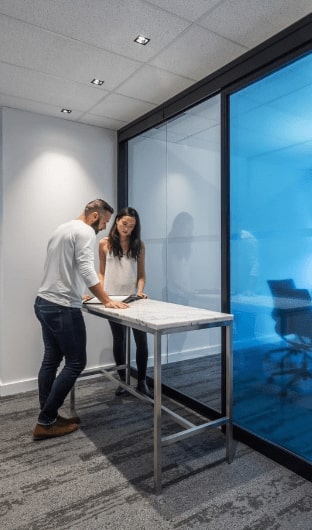
Providing a variety of seating options can cater to different learning styles and preferences. Flexible seating arrangements, such as bean bags, standing desks, or wobble stools, allow students to choose how they learn best. This flexibility encourages movement, which can reduce restlessness and increase focus. By accommodating diverse needs, flexible seating can lead to higher engagement and concentration.
3. Modular and Mobile Furniture
Classrooms equipped with modular and mobile furniture can adapt to various teaching methods and learning activities. Desks and chairs that are easy to move and rearrange allow for quick transitions between individual work, group projects, and class discussions. This adaptability not only supports different learning activities but also keeps the classroom dynamic and engaging, preventing monotony and enhancing concentration.
Additional Strategies To Enhance Concentration
1. Minimizing Distractions
Reducing distractions in the classroom is crucial for maintaining student focus. Consider the following approaches:
- Decluttering: Keep the classroom organized and free from unnecessary items that can divert attention.
- Sound Management: Use acoustic panels or sound-absorbing materials to minimize noise. Establishing quiet zones can also help students concentrate better.
- Visual Simplicity: Limit the number of visual stimuli, such as posters and decorations, to prevent sensory overload.
2. Incorporating Breaks
Short, regular breaks can significantly improve concentration and productivity. The Pomodoro Technique, which involves working for a set period followed by a short break, is an effective approach. These breaks give students time to recharge, reducing cognitive fatigue and enhancing their ability to focus when they return to their tasks.
3. Encouraging Physical Activity
Physical activity is known to boost brain function and concentration. Integrating movement into the school day can be as simple as incorporating short exercises or stretches between lessons. Encouraging students to stand or move during class discussions can also keep them engaged.
4. Utilizing Technology Wisely
While technology can be a source of distraction, it can also be a powerful tool for enhancing concentration when used appropriately. Educational apps and interactive tools can make learning more engaging and interactive. Teachers should set clear guidelines for technology use to ensure it supports, rather than hinders, concentration.
5. Creating A Positive Learning Environment
A positive classroom atmosphere can foster concentration and motivation. Building strong relationships with students and creating a supportive community encourages active participation and focus. Positive reinforcement and recognition of effort can boost student confidence and willingness to concentrate on their studies.
6. Personalizing Learning
Personalized learning recognizes that each student has unique needs and preferences. By offering differentiated instruction and allowing students to explore topics that interest them, teachers can increase engagement and concentration. Providing choices in assignments and projects empowers students to take ownership of their learning.
Improving student concentration in the classroom requires a multifaceted approach that combines the right furniture with effective teaching strategies. Ergonomic, flexible, and modular furniture can create a comfortable and adaptable learning environment that supports focus. Alongside this, minimizing distractions, incorporating breaks, encouraging physical activity, and utilizing technology wisely can further enhance concentration.
As schools continue to evolve, investing in thoughtful classroom design and innovative teaching methods will ensure that students remain engaged, focused, and ready to learn. Through these efforts, the classroom can become a place where concentration thrives, paving the way for academic success and lifelong learning. Reach out to Harkel Office – a leading education furniture dealer in Ontario and create an inspiring learning space where students thrive. Call us at 905-417-5335 or visit https://harkeloffice.com.