
Prioritizing Wellbeing In Educational Spaces
Designing educational spaces that foster the well-being of students and staff plays a significant role in improving academic performance.
In the current landscape of higher education, prioritizing well-being is crucial. Both students and educators encounter numerous pressures, from mental health challenges to academic and social demands. Research indicates that the physical environment significantly impacts wellbeing and educational quality. By carefully designing campuses, we can create spaces that nurture not only academic achievement but also emotional, physical, and mental health.
Understanding Wellbeing
Wellbeing extends beyond emotional health, encompassing a holistic blend of physical, cognitive, and emotional factors essential for personal health. For students and educators, a campus designed with these principles in mind offers the essential support needed to flourish academically and personally.
Six Factors That Influence Wellbeing In Learning Spaces
Discovering Purpose in Learning Spaces
A sense of purpose is fundamental to personal and academic growth. Campus environments should inspire students to see their education as part of a larger narrative. Spaces that foster community collaboration—through guest speakers, partnerships, or online interactions—can cultivate this sense of purpose. Flexible areas that accommodate diverse activities further reinforce meaningful engagement in daily academic pursuits.
Design Strategies:
Create spaces that integrate campus and community, both physically and virtually.
Facilitate environments where students can engage with diverse perspectives and activities.
Incorporate natural elements to inspire awe and environmental connection.
Sense Of Belonging
Belonging is vital for a supportive educational environment. Students need to feel accepted and valued within their academic community. Campuses that celebrate diversity and student achievements can cultivate this sense of belonging. Spaces that encourage both formal and informal interactions can strengthen the community, ensuring everyone feels seen and heard.
Design Strategies:
Reflect student identities, values, and accomplishments in space design.
Include areas that support various group sizes, from large gatherings to intimate interactions.
Provide platforms for self-expression and sharing work, physically or digitally.
Empowering Authenticity
When students and educators can express their authentic selves, engagement and motivation increase. Students should be able to adapt their environments to suit their learning styles, while educators need spaces that support diverse teaching methods.
Design Strategies:
Incorporate elements that allow for personal modification of spaces.
Offer varied environments to support diverse expressions of ideas.
Display contributions of students and educators to the community.
Creating Campus Spaces For Focus and Reflection
Mindfulness is crucial for mental and emotional well-being. Campuses can design spaces to help manage stress and maintain focus. Using natural light, plants, and soothing designs can aid relaxation and concentration. Quiet areas for reflection provide necessary recharging spaces.
Design Strategies:
Use biophilic elements like natural light and plants to promote relaxation.
Design quiet, comfortable areas for reflection and meditation.
Enable spaces for empathetic discussions among peers and educators.
Encouraging A Positive Learning Mindset
Optimism fuels perseverance and hope – which are key components of academic success. Spaces that foster a growth mindset help students tackle challenges and believe in their potential. Displaying student progress, makerspaces, and collaborative areas highlight learning processes and celebrate both effort and success.
Design Strategies:
Use visual displays to showcase learning processes and progress.
Design dedicated collaborative spaces for hands-on projects and feedback.
Supporting Physical and Mental Health
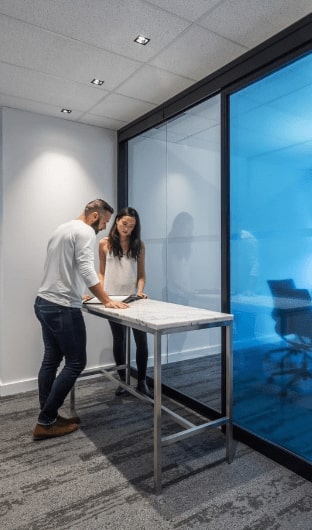
A healthy body and mind are crucial for academic achievement. Campuses should encourage movement and healthy habits. Standing desks and spaces for walking meetings promote activity, while access to outdoor areas, nutritious food, and rest zones boost energy and wellbeing.
Design Strategies:
Offer a range of seating options to promote movement.
Incorporate playful design elements to encourage activity.
Ensure spaces for rest and rejuvenation when needed, such as break room, sports room, and so on.
The Future Of Wellbeing On Campus
As higher education evolves, focusing on wellbeing in campus design is essential for supporting the next generation of students and educators. By keeping the above-mentioned factors in mind in designing campuses, schools can create spaces that encourage both academic success and personal growth. This approach helps make campuses more vibrant and supportive, enhancing the overall experience for students and educators. Connect with Harkel Office – a leading educational furniture dealer in Ontario to create a healthy and inspiring learning space for your education facility.