
5 Creative School Interiors That Inspire Active Young Learners
In the modern educational landscape, school interiors are more than just spaces for instruction – they are vibrant environments that can inspire and engage young learners. Thoughtful design and creative use of space can significantly impact students’ motivation and enthusiasm for learning. In this article, we explore five innovative school interiors that exemplify how creative design can fuel active learning and inspire students to reach their full potential.
1. Flexible Learning Zones
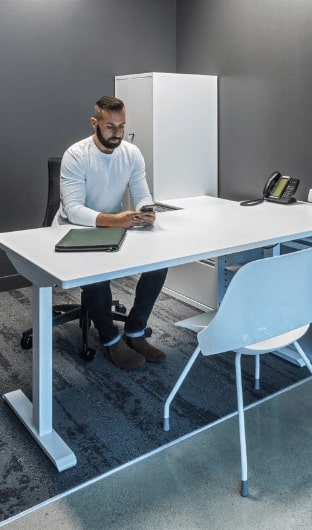
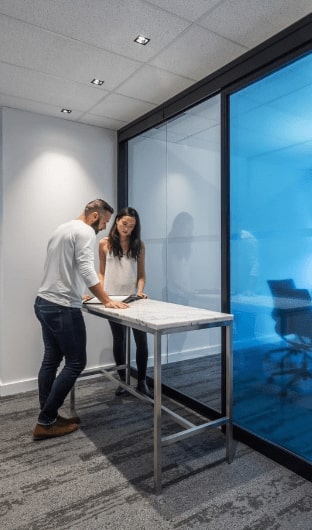
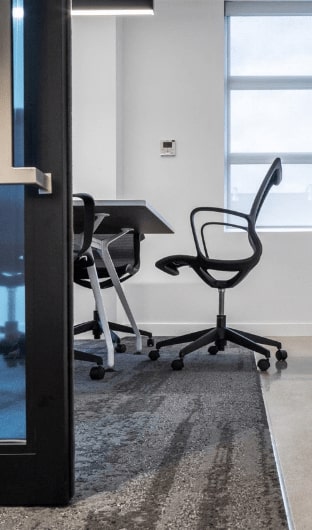
Gone are the days of rigid rows of desks facing a chalkboard. Today’s schools are embracing flexible learning zones that cater to diverse learning styles and activities. These zones can include quiet corners for individual study, open spaces for group collaboration, and tech-friendly areas for digital learning. By providing a variety of settings, students can choose the environment that best suits their learning needs. For instance, a school may incorporate movable walls and furniture, allowing teachers and students to reconfigure the space as needed. This adaptability not only fosters creativity but also encourages students to take ownership of their learning environment.
2. Nature-Inspired Classrooms
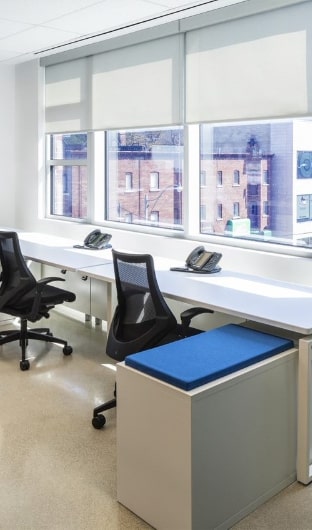
Incorporating elements of nature into classroom design can have profound effects on students’ well-being and learning outcomes. Nature-inspired classrooms might feature large windows that allow natural light to flood the space, along with indoor plants and natural materials like wood and stone. These elements create a calming atmosphere, reducing stress and enhancing concentration. Some schools take this concept further by creating outdoor classrooms or gardens where students can learn and explore in a natural setting. This way, schools can help students feel more connected to their environment and foster a love for nature.
3. Interactive and Engaging Walls
Walls are not just for displaying artwork or bulletin boards; they can be interactive learning tools themselves. Schools can transform walls into engaging surfaces that promote exploration and creativity. For example, chalkboard walls, whiteboard surfaces, or magnetic panels can be used for impromptu lessons, brainstorming sessions, or art projects. In addition, schools can incorporate walls with built-in storage or display areas for student projects, making the space both functional and inspiring. Interactive walls encourage students to engage with their surroundings, sparking curiosity and collaboration.
4. Colourful and Stimulating Designs
Colour plays a crucial role in creating an inspiring learning environment. Vibrant, thoughtfully chosen colours can stimulate creativity and enhance mood, while softer hues can promote calm and focus. Schools can use colour strategically to define different areas within a classroom or learning space. For instance, a reading nook might feature soothing blues and greens, while a creative arts area could be adorned with bold reds and yellows. Beyond paint, schools can incorporate colourful furnishings, rugs, and artwork to create a dynamic and inviting atmosphere. Using colour intentionally, schools can create spaces that energize and engage students.
5. Tech-Integrated Spaces
In today’s digital age, technology integration is essential for preparing students for the future. Schools can create tech-integrated spaces that seamlessly incorporate digital tools and resources. This might include providing access to tablets, laptops, and interactive whiteboards, as well as creating charging stations and tech-friendly workstations. Schools can also design spaces that support digital collaboration, with areas for video conferencing or media production. Embracing technology, schools empower students to become active participants in their learning, developing critical skills for the modern world.
Creating school interiors that inspire active young learners involves more than just choosing the right furniture or colour scheme. It requires a holistic approach that considers the diverse needs and preferences of students. By designing flexible, nature-inspired, interactive, colourful, and tech-integrated spaces, schools can foster environments where students are excited to learn and explore. These creative interiors not only enhance academic performance but also promote well-being, collaboration, and personal growth. As educators and designers continue to innovate, the possibilities for inspiring school interiors are limitless, paving the way for a brighter, more engaging future for education. Connect with Harkel Office – a leading education furniture dealer to craft a perfectly designed educational space for the young learners. Call us at 905-417-5335 or visit https://harkeloffice.com.