
5 Healthcare Design Strategies For Enhancing Patient Experiences In Waiting Rooms
Healthcare visits can often be a source of stress for patients and their families. The design of waiting areas plays a crucial role in either alleviating or intensifying that stress. Read on to learn five important thoughtful design strategies through which healthcare facilities can transform these spaces from merely functional zones into areas that promote well-being and healing.
Prioritize Physical And Psychological Comfort
Creating a comfortable environment in healthcare settings is key to easing both physical discomfort and emotional stress. Patients often face worry, pain, or uncertainty during their visits, so a waiting area that promotes comfort can serve as a buffer against these negative emotions. Instead of filling a room with cold, clinical furniture, design choices should focus on warmth and coziness. Incorporating natural elements like wood, warm colours, and soft textiles can make the space feel more inviting, while ergonomic seating options ensure that every patient feels supported. Additionally, elements such as natural light, greenery, and soothing art can help reduce stress and promote a sense of calm.
Create An Efficient Waiting Area
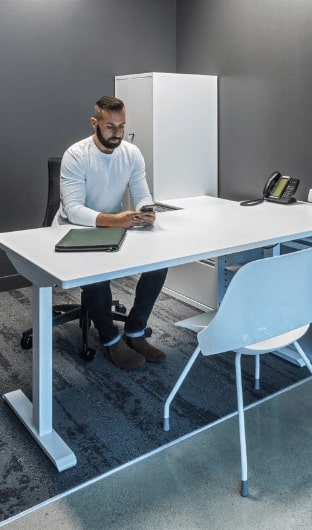
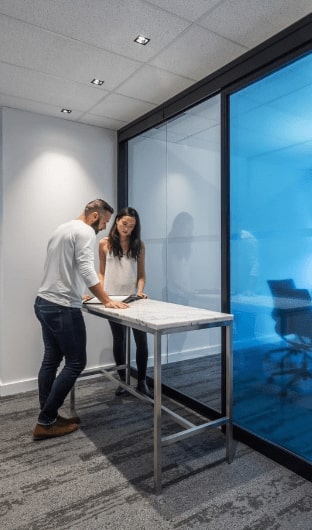
Today’s patients often wish to use their waiting time productively, whether by working, staying connected with family, or simply being entertained. Waiting spaces should be designed to support these activities. Providing convenient access to power outlets for charging devices and ensuring fast, reliable Wi-Fi are important aspects of creating a productive waiting experience. Consider creating small, semi-private workspaces for patients who need to make calls or answer emails, as well as family-friendly areas equipped with outlets and entertainment options.
Ease Of Navigation
Healthcare visits can be overwhelming, and patients can often feel confused or lost upon entering a waiting room. Spaces should be designed with intuitive navigation in mind—patients need to know where to check in, where to wait, and where to get more information without being directed multiple times. Clear signage, thoughtful spatial layouts, and consistent branding across both physical spaces and digital interactions can minimize confusion and enhance patient autonomy.
Embrace Flexibility To Meet Diverse Needs
Every healthcare visitor comes with their own set of needs. Some patients may need privacy, while others may prefer to interact with family members or caregivers. Similarly, staff members may need to quickly reconfigure the space to accommodate groups of visitors or provide additional seating for emergencies. Flexible furniture—such as modular seating that can be rearranged or expanded—is key to creating dynamic spaces so that every user’s needs are met. This will significantly reduce stress of both patients and staff during waiting periods.
Prioritize Durability And Sustainability
Healthcare spaces being high-traffic places endure significant wear and tear. The furniture and materials used must be incredibly durable, able to withstand high volume, cleaning protocols, and constant use. However, durability doesn’t mean sacrificing comfort or aesthetic appeal. Investing in high-quality furniture that can withstand heavy use without showing wear is crucial. Sustainability is also a growing concern. Selecting environmentally friendly materials that are built to last aligns with broader sustainability goals and promotes a healthier environment for patients and staff.
The design of a healthcare facility’s waiting space is no longer just about filling the area with seats – it’s about creating an environment that caters to the physical, emotional, and psychological needs of patients. By investing in designs that prioritize comfort, productivity, flexibility, and sustainability, healthcare facilities can improve patient satisfaction and contribute to the healing process. Connect with Harkel Office – a leading Canadian healthcare furniture dealer with over 46 years of experience to create a welcoming and pleasant waiting area for your patients and visitors.