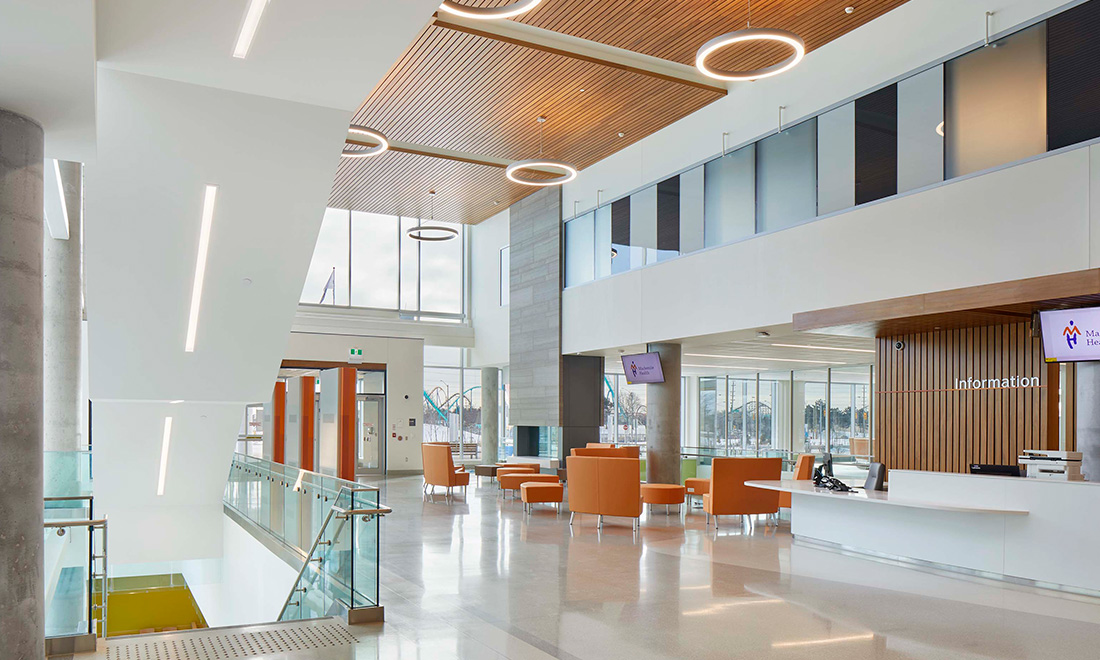
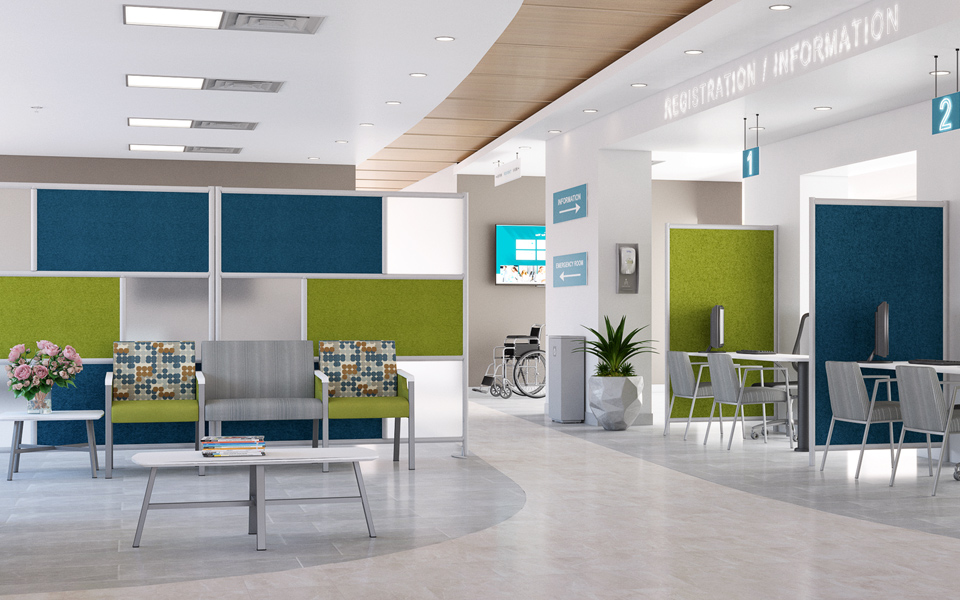
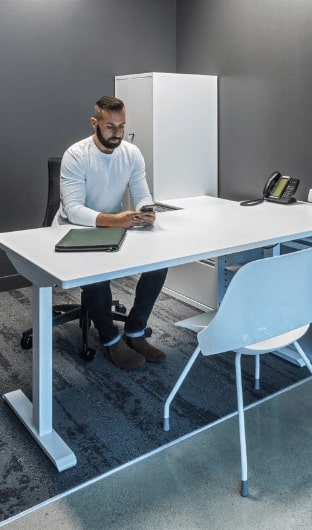
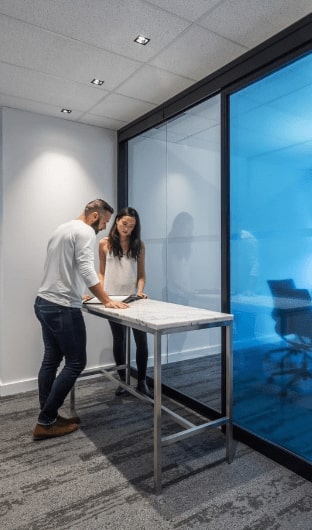
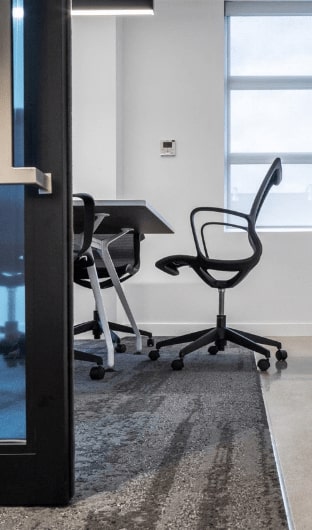
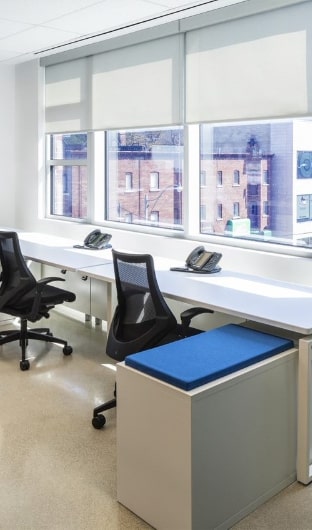
Selecting the right healthcare furniture dealer is a critical decision for any healthcare facility. The furniture you choose will not only impact the aesthetic appeal of your space but will also influence the comfort, safety, and overall experience of patients, visitors, and staff. In Ontario, Harkel Office stands out as a premier choice for healthcare furniture. Here are five compelling reasons why Harkel Office should be your go-to partner.
Continue reading
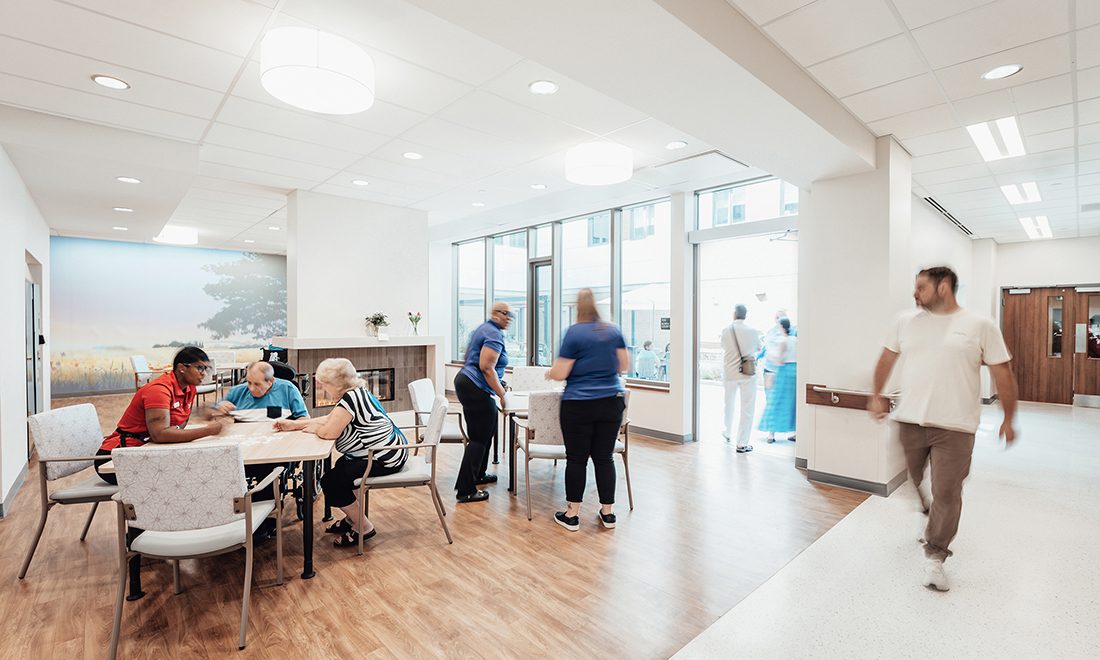
In the realm of healthcare, rehabilitation centres play a crucial role in helping individuals recover and regain autonomy after a serious illness or injury. The design of these facilities should not only meet the functional needs of patients and staff but also create an environment that is warm, welcoming, and conducive to healing. Here are some essential considerations and strategies for designing a rehabilitation centre that is both human-centric and comforting.
Continue reading
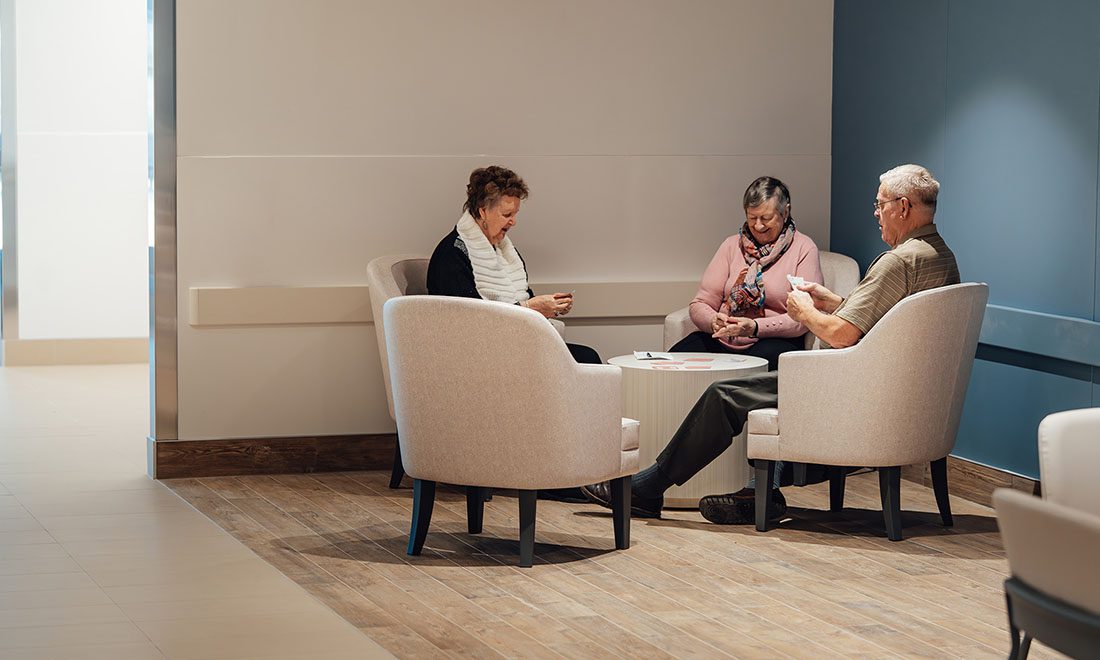
As we age, our physical and emotional needs evolve, and the environments we inhabit can significantly impact our well-being. For seniors, creating spaces that foster comfort and reduce anxiety is crucial in promoting a sense of safety and peace. Thoughtful design choices, particularly in colour, texture, and comfort, can transform a living space into a sanctuary that enhances quality of life. Let’s explore how these elements can be utilized to design spaces that alleviate anxiety and support the well-being of seniors.
Continue reading
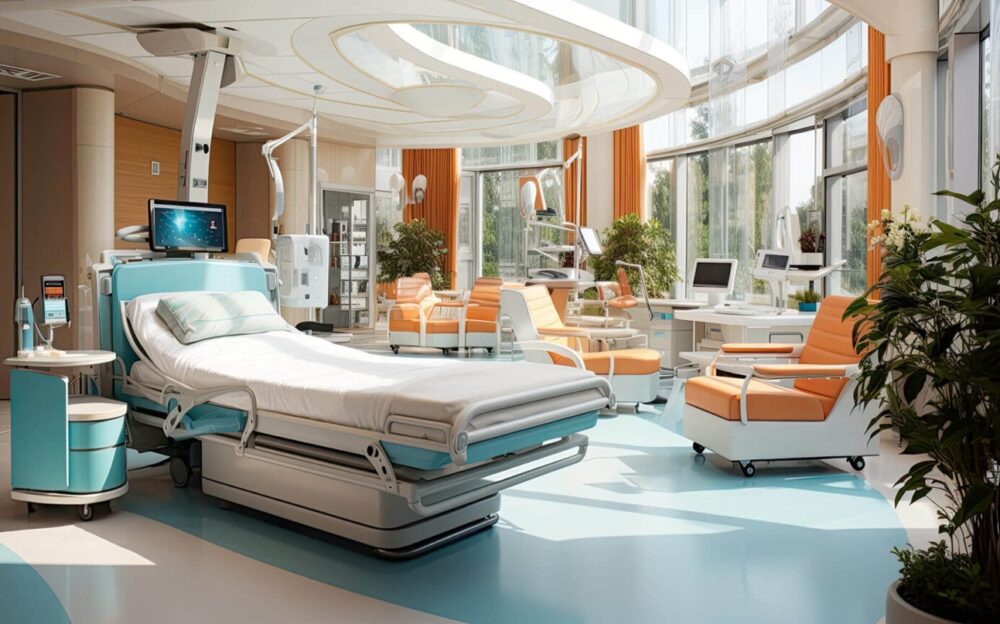
The landscape of modern healthcare is constantly evolving, and with it, the role of furniture is expanding beyond functionality to include elements of comfort, safety, and overall aesthetics. High-quality healthcare furniture not only enhances patient experiences but also improves staff efficiency. Current healthcare design trends focus on ergonomics, acoustic privacy, smart workspaces, and innovative designs to meet the needs of modern healthcare facilities.
Continue reading
In the fast-paced world of healthcare, creating an environment that enhances the clinician experience is crucial. Healthcare professionals face unique challenges daily, from long hours to high-stress situations, making it essential to design spaces that support their well-being and efficiency. A thoughtfully designed healthcare environment can lead to improved job satisfaction, better patient care, and enhanced overall performance. Here are five tips to consider when designing a healthcare space that optimally supports clinicians.
Continue reading