In healthcare settings, the focus is often on medical treatments and staff expertise. However, the physical environment, including the furniture used, plays a crucial role in patient care and recovery. Healthcare furniture is not just about providing comfort; it’s about supporting patient independence and dignity during their healthcare journey. Thoughtful design can empower patients, enhance their experience, and contribute to better health outcomes. Here’s how healthcare furniture can support patient independence and dignity.
The Importance Of Independence In Healthcare
Independence is a vital aspect of patient dignity and well-being. When patients can perform tasks independently, it boosts their confidence and emotional health. Independence in healthcare settings can mean the difference between a patient feeling like an active participant in their care versus feeling completely reliant on others. Empowering patients to do even small tasks on their own can significantly enhance their sense of control and dignity.
Features Of Healthcare Furniture That Promote Independence
Adjustable and Ergonomic Design
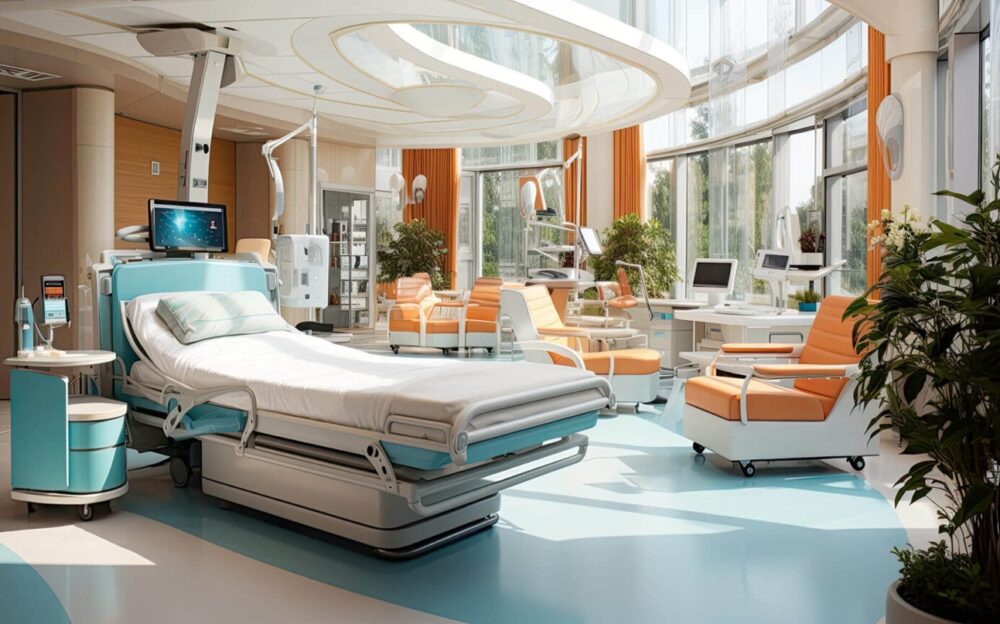
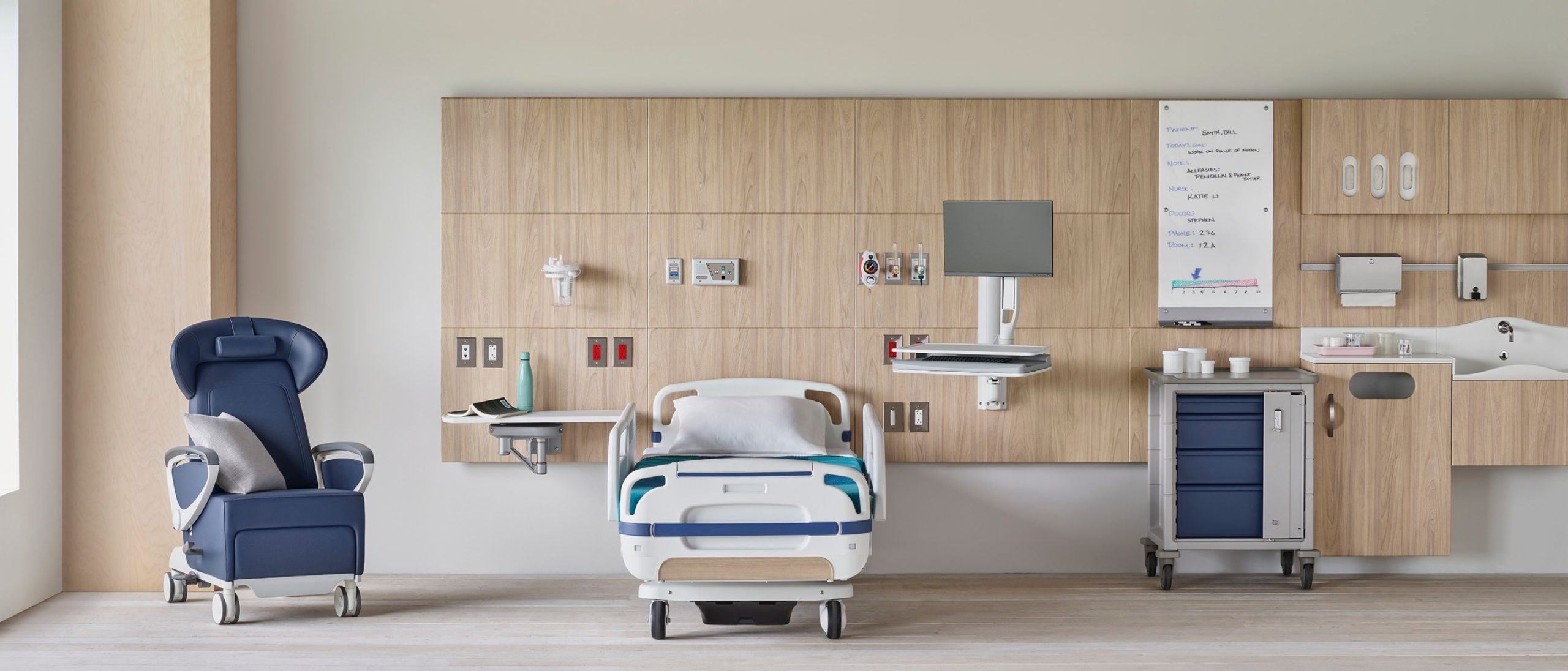
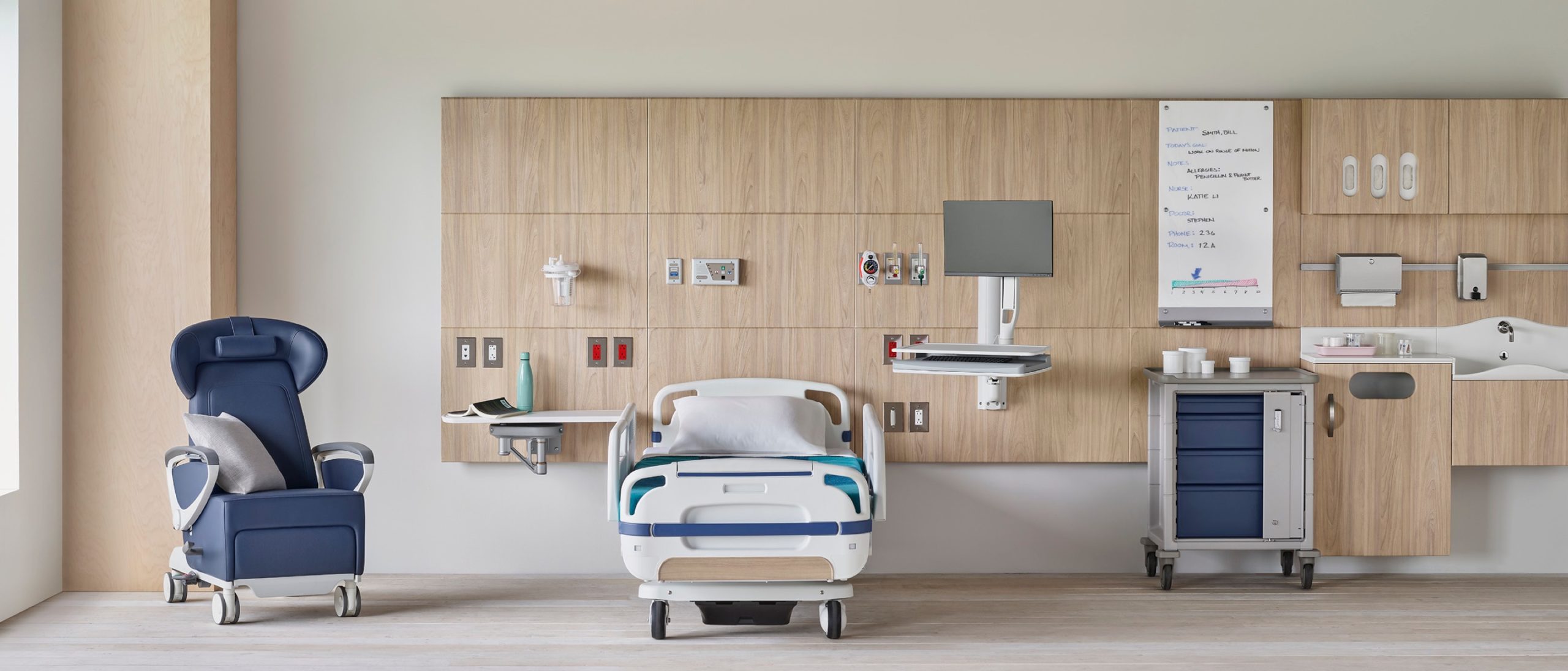
Healthcare furniture with adjustable features allows patients to find comfortable positions independently. Hospital beds with adjustable heights and reclining options enable patients to sit up or lie down without assistance. Ergonomic chairs that support proper posture and comfort can encourage patients to sit and move without discomfort, aiding in faster recovery.
Mobility Aids
Incorporating mobility aids into furniture design can significantly enhance patient independence. Grab bars integrated into beds and chairs or easy-to-reach bed controls allow patients to move with minimal assistance. These features reduce the risk of falls and empower patients to navigate their surroundings on their own.
Accessible Storage and Surfaces
Accessibility is key in supporting patient independence. Furniture with easily reachable storage spaces for personal items, medications, or medical equipment ensures that patients can manage their belongings without needing help. Bedside tables and over-bed tables with adjustable heights provide convenient surfaces for eating, reading, or using electronic devices.
Safe and Easy Transfers
Transfer aids in furniture design, such as slide sheets or transfer boards, facilitate safe movement from bed to chair or wheelchair. These tools reduce the need for caregiver assistance, allowing patients to maintain a level of autonomy in their daily activities.
Enhancing Patient Comfort And Emotional Well-being
Privacy and Personal Space
Creating a sense of privacy is crucial for patient dignity. Furniture that incorporates privacy screens or curtains can help patients feel more secure and respected in shared rooms. Having control over their personal space allows patients to relax and focus on their recovery.
Aesthetic and Soothing Design
The visual appeal of healthcare furniture can impact patient emotions and stress levels. Furniture in calming colours and designs that mimic home-like environments can make patients feel more at ease. Aesthetic considerations can help reduce anxiety, promoting a positive healing atmosphere.
Promoting Social Interaction
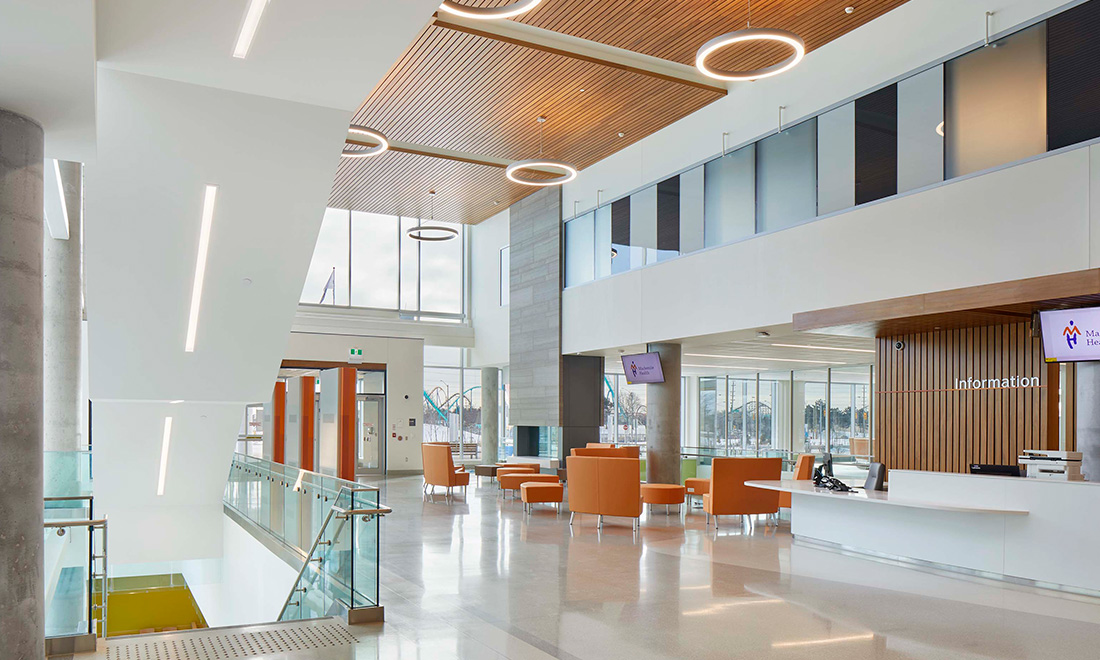
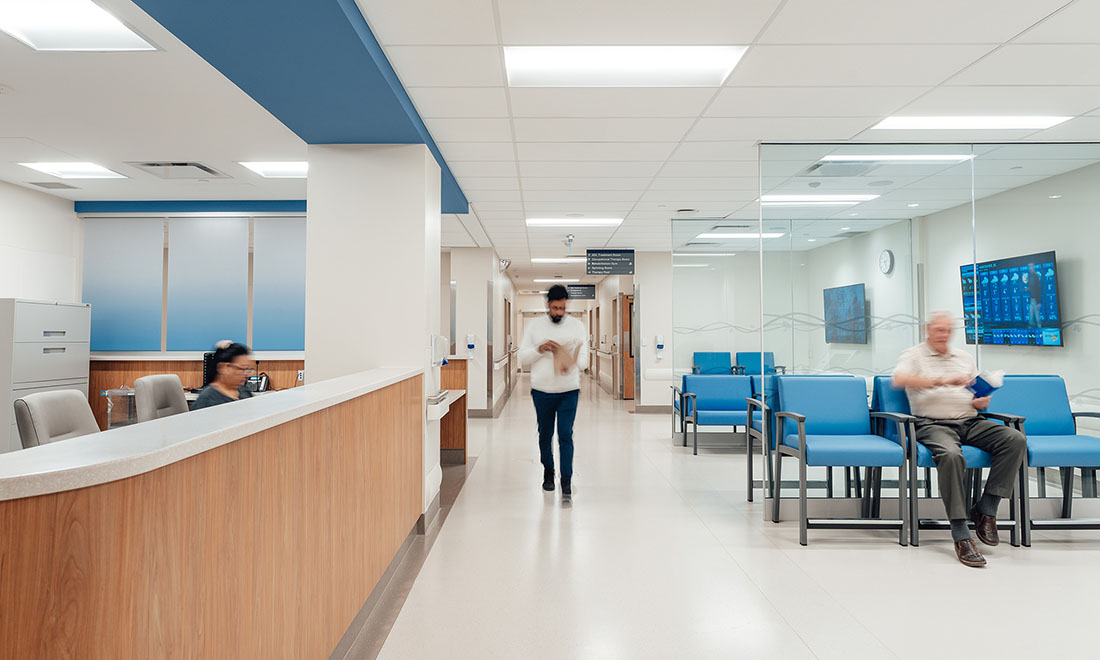
Furniture arrangements that facilitate social interaction can improve emotional well-being. Comfortable seating in communal areas encourages patients to engage with visitors and other patients, reducing feelings of isolation and fostering a sense of community.
Supporting Healthcare Staff In Promoting Independence
Healthcare furniture not only supports patient independence but also aids healthcare staff in delivering effective care. Well-designed furniture can streamline workflows, reduce physical strain on staff, and allow them to focus more on patient interaction rather than manual tasks.
Efficient Workspace Design
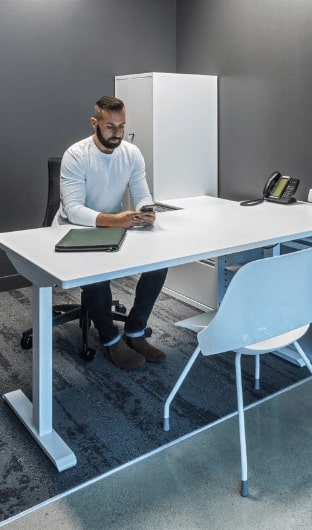
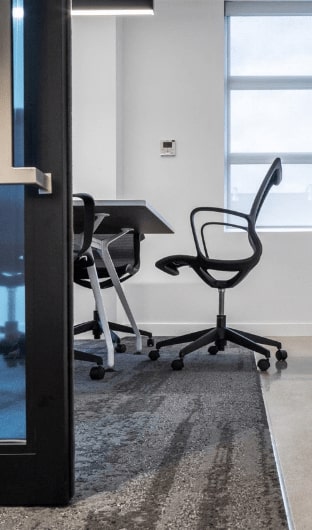
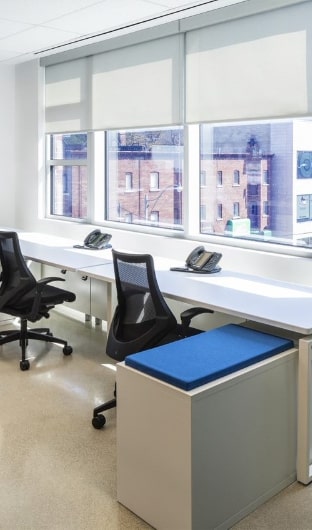
Ergonomic workstations and mobile furniture solutions enable staff to work more efficiently and comfortably, enhancing their ability to provide attentive care to patients.
Ease of Cleaning and Maintenance
Furniture designed for easy cleaning and maintenance ensures that healthcare environments remain hygienic, reducing infection risks and allowing staff more time to focus on patient care.
Training and Education
Healthcare providers can play a crucial role in promoting patient independence by educating patients on how to use furniture features effectively. Training patients on using adjustable beds, mobility aids, and accessible storage can empower them to take charge of their care.
Designing healthcare environments with furniture that supports patient independence is a critical component of providing dignified and compassionate care. By prioritizing adjustable, accessible, and aesthetically pleasing furniture, healthcare facilities can enhance patient autonomy, comfort, and emotional well-being. This approach not only benefits patients but also supports healthcare staff in delivering high-quality care. Connect with Harkel Office – a leading healthcare furniture dealer in Ontario to create an inspiring healthcare facility that supports patient wellbeing and autonomy. Call us at 905-417-5335 or visit https://harkeloffice.com/healthcare.