
Designing A Healthcare Space For A Better Clinician Experience
In the fast-paced world of healthcare, creating an environment that enhances the clinician experience is crucial. Healthcare professionals face unique challenges daily, from long hours to high-stress situations, making it essential to design spaces that support their well-being and efficiency. A thoughtfully designed healthcare environment can lead to improved job satisfaction, better patient care, and enhanced overall performance. Here are five tips to consider when designing a healthcare space that optimally supports clinicians.
Prioritize Ergonomics and Comfort
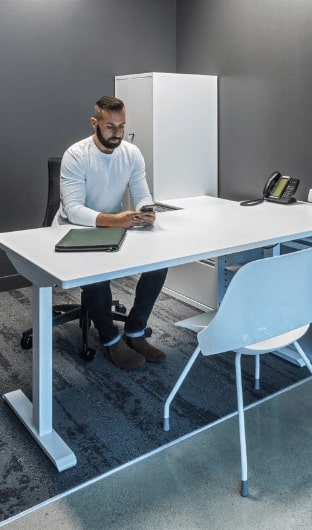
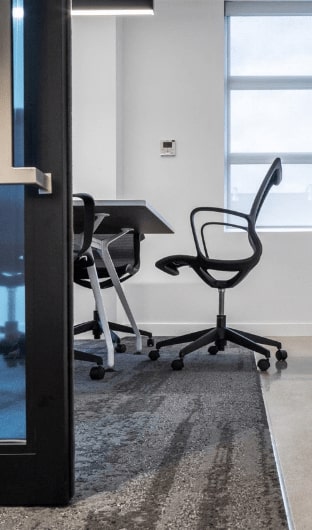
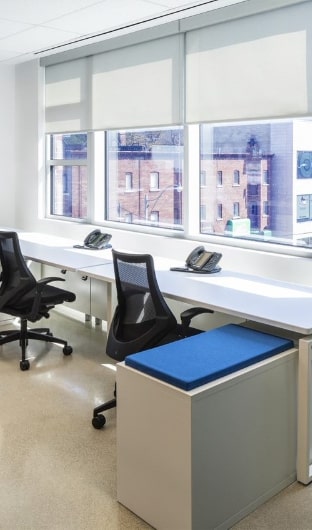
Ergonomics is not just for patients. Clinicians spend long hours on their feet, moving between tasks, and sitting at workstations, making ergonomic design a priority in any healthcare setting. Providing ergonomic seating, adjustable workstations, and properly positioned computer monitors can prevent fatigue and reduce the risk of musculoskeletal injuries.
Comfortable break areas with supportive seating and calming décor can offer much-needed respite during shifts. Incorporating elements like natural light, soothing colours, and natural materials can contribute to a relaxing atmosphere, helping clinicians recharge both physically and mentally.
Enhance Workflow Efficiency
Efficient workflow is critical in healthcare environments where time is often of the essence. Designing spaces that minimize unnecessary movement and streamline processes can significantly boost efficiency. Consider the layout of nursing stations, medication rooms, and supply areas to ensure they are easily accessible and logically organized.
Implementing technology solutions, such as electronic health records and telehealth capabilities, can further enhance workflow efficiency. These systems should be seamlessly integrated into the physical space, with user-friendly interfaces and easy access to necessary tools. This integration allows clinicians to focus more on patient care and less on administrative tasks.
Facilitate Clear Communication
Clear communication is vital in healthcare settings to ensure patient safety and effective teamwork. Design spaces that support open communication among team members. Open-plan nurse stations, for instance, can encourage collaboration and quick information sharing.
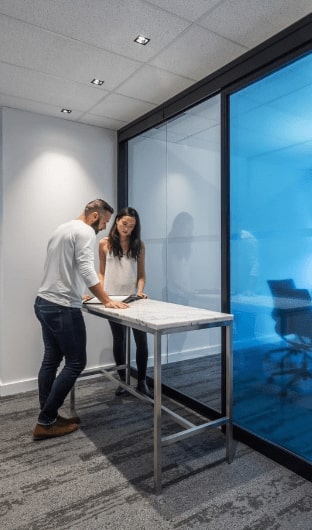
Additionally, consider incorporating private areas for sensitive conversations or consultations. Soundproof meeting rooms or consultation pods can provide quiet spaces for discussions, ensuring confidentiality and reducing distractions from the bustling environment of a healthcare facility.
Incorporate Flexibility and Adaptability
Healthcare needs are constantly evolving, and facilities must be able to adapt to changing requirements. Designing spaces with flexibility in mind allows for easy reconfiguration and repurposing as needed. Modular furniture and mobile equipment can be quickly rearranged to accommodate different patient volumes or new technologies.
Flexibility also extends to creating multi-functional spaces that can serve various purposes. For example, a room that can transition from a meeting space to a training room or a patient consultation area can maximize the utility of limited space. This adaptability ensures that the facility can evolve with the demands of healthcare delivery.
Support Well-being and Mental Health
The well-being of clinicians is paramount in maintaining a productive and compassionate healthcare environment. Creating spaces that support mental health is crucial in reducing burnout and improving job satisfaction. Consider designing areas that promote relaxation and stress relief, such as wellness rooms or quiet zones where clinicians can decompress.
Providing access to outdoor spaces or views of nature can also enhance mental well-being. Studies have shown that exposure to natural elements can reduce stress and improve mood. Incorporating elements like indoor plants or green walls can bring nature indoors, contributing to a more serene and healing environment.
In addition to physical spaces, fostering a supportive culture is essential. Encourage open dialogue about mental health and provide resources for stress management and resilience training. A culture that prioritizes clinician well-being can lead to a more motivated and engaged workforce.
Designing a healthcare space that enhances the clinician experience is a multifaceted task that requires attention to ergonomics, workflow efficiency, communication, flexibility, and well-being. By creating environments that support these areas, healthcare facilities can improve job satisfaction, reduce burnout, and ultimately enhance patient care. Connect with Harkel Office – a leading Canadian healthcare furniture dealer with over 46 years of experience to design a healthcare space that caters to the needs of both patients and caregivers.