From Modular Desks To Acoustic Pods: Designing Offices For Flexibility And Well-Being In 2026
As the nature of work continues to evolve, so too must the environments where work takes place. The modern office is no longer a static space dominated by rows of identical desks. Instead, it is a dynamic environment designed to adapt to shifting needs, support employee well-being, and foster collaboration. Enter the age of flexible furniture systems, acoustic solutions, and human-centred design trends. In 2026, these elements are shaping the future of office spaces, creating adaptable and wellness-focused workplaces that cater to the diverse needs of today’s workforce.
Flexible Furniture Systems
One of the most significant trends in office design is the move towards flexible furniture systems. These systems include modular desks, adjustable seating, and reconfigurable workstations that can be easily adapted to meet changing demands. The key advantage of modular furniture is its ability to transform spaces quickly and efficiently, allowing companies to reconfigure layouts as needed without significant disruption or cost.
Modular Desks
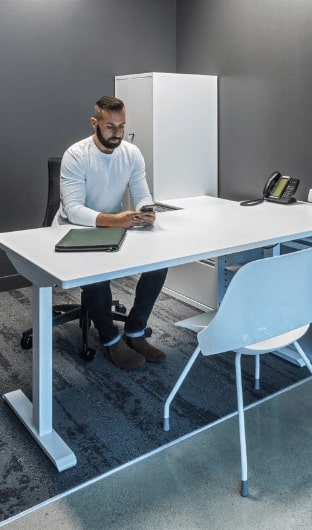
Modular desks are at the forefront of this trend, offering versatility that traditional desks cannot match. These desks can be arranged in various configurations to support different work styles, from individual focus areas to collaborative group settings. With components that can be added or removed, modular desks empower employees to customize their workspace to fit their specific needs. This adaptability not only enhances productivity but also supports employee autonomy and satisfaction.
Adjustable Seating
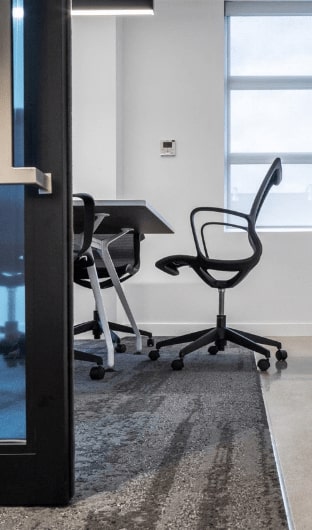
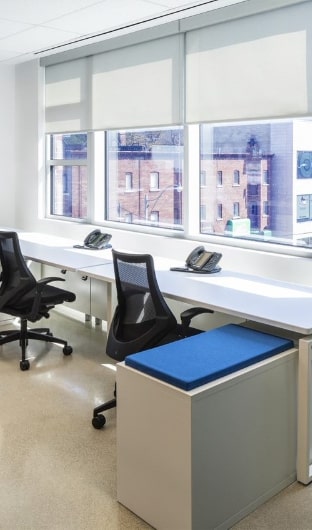
Ergonomic and adjustable seating is another essential component of flexible office design. Chairs that allow for adjustments in height, tilt, and lumbar support accommodate diverse body types and preferences, promoting better posture and reducing the risk of musculoskeletal issues. By prioritizing comfort and ergonomics, companies can foster a healthier work environment that supports long-term employee well-being.
Acoustic Solutions
In open office environments, managing noise levels is crucial to maintaining productivity and focus. Acoustic solutions are integral to modern office design, providing both sound absorption and privacy in busy workspaces. These solutions include acoustic panels, pods, and dividers that reduce noise pollution and create quiet zones for concentrated work.
Acoustic Pods
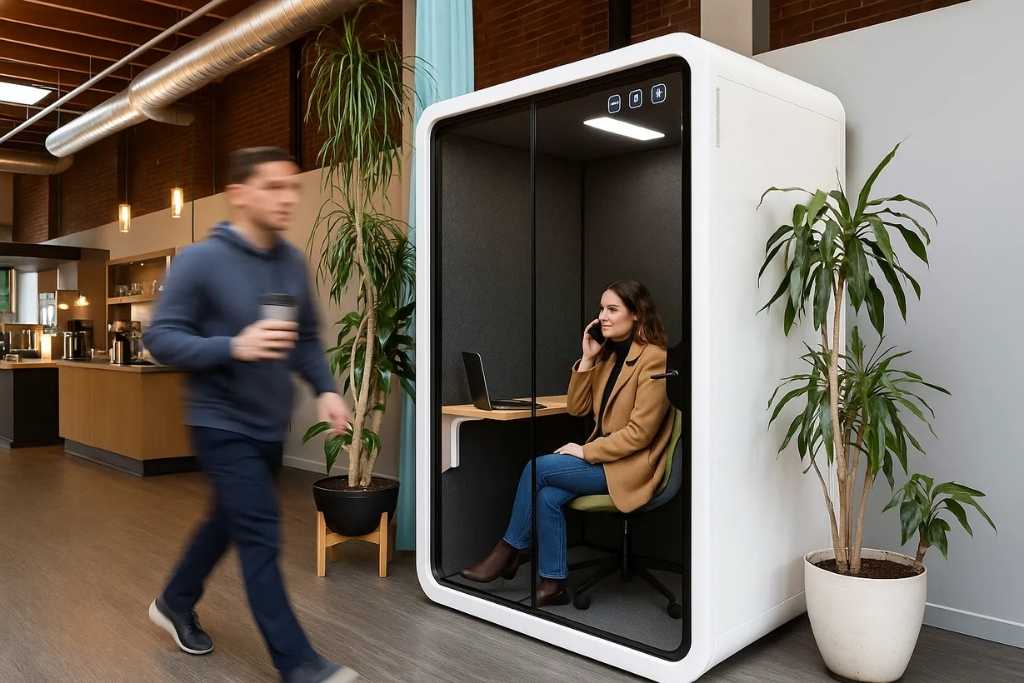
Acoustic pods are a popular choice for creating private meeting spaces or quiet areas within open-plan offices. These enclosed structures offer excellent sound insulation, providing a sanctuary where employees can retreat for focused work or confidential discussions. Acoustic pods come in various sizes and styles, making them versatile additions to any office layout. Their modular nature allows them to be relocated or reconfigured as needed, enhancing the flexibility of the workspace.
Acoustic Panels and Dividers
Acoustic panels and dividers are effective tools for controlling sound within an office. These elements can be strategically placed to absorb ambient noise and create designated quiet areas. Available in a range of colours and designs, acoustic panels not only improve acoustics but also contribute to the aesthetic appeal of the workspace. By integrating these solutions, offices can strike a balance between the need for collaboration and privacy.
Human-Centred Design Trends
Human-centred design is a philosophy that prioritizes the needs, comfort, and well-being of the people using a space. In the context of office design, this approach involves creating environments that support physical health, mental well-being, and social interaction. By focusing on the human experience, companies can create workplaces that inspire and engage employees.
Biophilic Design
Biophilic design is a key trend in human-centred office design, emphasizing the connection between nature and the built environment. Incorporating natural elements such as plants, natural light, and organic materials can reduce stress, enhance mood, and increase productivity. Biophilic design not only creates a more pleasant and inviting workspace but also supports the overall health and well-being of employees.
Wellness-Focused Amenities
Modern offices are increasingly incorporating wellness-focused amenities to support employee health and satisfaction. These amenities may include fitness centres, meditation rooms, and healthy food options. By providing spaces for physical activity and relaxation, companies can promote a healthier work-life balance and reduce workplace stress.
Collaborative And Social Spaces
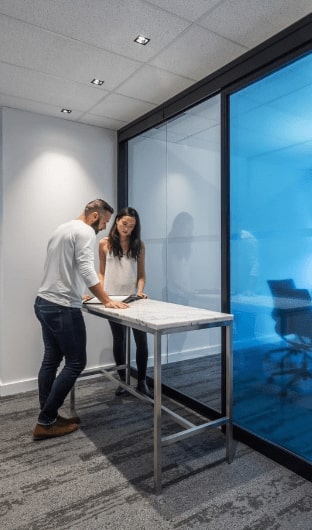
Social interaction and collaboration are vital components of a thriving workplace. Human-centred design trends emphasize the creation of collaborative spaces that encourage teamwork and communication. Informal lounges, communal dining areas, and flexible meeting rooms provide opportunities for employees to connect and collaborate in a relaxed setting. These spaces foster a sense of community and belonging, enhancing employee engagement and retention.
The offices of 2025–26 are defined by flexibility, adaptability, and a focus on well-being. Embracing modular furniture systems, acoustic solutions, and human-centred design trends, companies can create dynamic work environments that support the diverse needs of their employees. These elements not only enhance productivity and collaboration but also contribute to a healthier, more satisfying work experience. Connect with Harkel Office – a leading office furniture dealer in Ontario, to find the right office solutions for your workspace. Call us at 905-417-5335 or visit https://harkeloffice.com for more info.