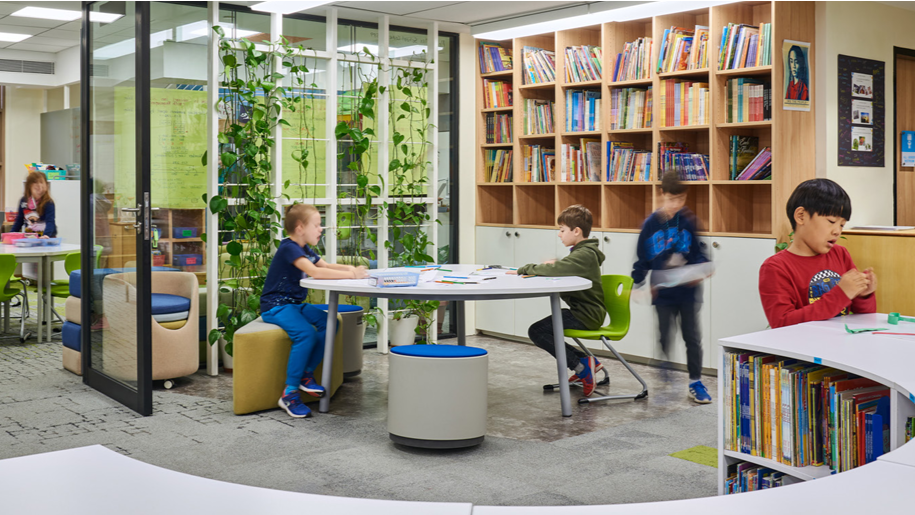
Smart And Sustainable School Furniture: Integrating Tech And Eco-Friendly Design
In the ever-evolving landscape of education, the design of school furniture is undergoing a significant transformation. The modern classroom is no longer just a place for students to sit and learn passively; it is an interactive environment where technology and sustainability are at the forefront. As schools strive to create learning spaces that foster innovation and environmental responsibility, smart and sustainable furniture has become an essential component. This article explores the latest trends in school furniture design, focusing on the integration of technology and eco-friendly materials.
The Rise Of Smart Furniture In Education
Smart furniture is a growing trend in educational settings, driven by the need to accommodate the increasing use of technology in classrooms. This type of furniture is designed to seamlessly integrate with digital devices, enhancing the learning experience and supporting a tech-savvy generation of students.
Desks With Integrated Charging And Tech Features
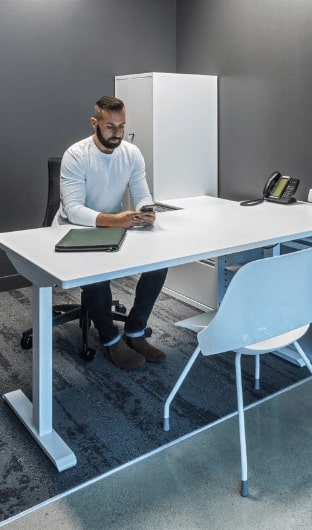
One of the most notable innovations in smart school furniture is desks with integrated charging capabilities and tech features. These desks are equipped with built-in power outlets, USB ports, and wireless charging pads, allowing students to easily charge their devices without the hassle of cords and external chargers. This not only keeps the classroom organized but also ensures that students have access to fully charged devices throughout the school day.
In addition to charging capabilities, some smart desks are designed with touchscreen surfaces or interactive displays. These features enable students to engage with digital content directly on their desks, facilitating collaborative learning and interactive lessons. By incorporating technology into the very furniture students use, schools can create a more engaging and efficient learning environment.
Sustainable Materials In School Furniture
As environmental awareness continues to grow, there is an increasing demand for sustainable school furniture. Schools are recognizing the importance of reducing their environmental impact and promoting sustainable practices. This has led to a surge in the use of eco-friendly materials in furniture design.
Recycled And Sustainable Materials
Furniture made from recycled materials is becoming a popular choice for eco-conscious schools. Manufacturers are now producing desks, chairs, and tables using recycled plastics, metals, and even reclaimed wood. These materials not only reduce waste but also conserve natural resources, aligning with sustainability goals.
Additionally, sustainably sourced materials, such as bamboo and cork, are gaining traction in school furniture design. Bamboo, for instance, is a fast-growing, renewable resource that is both durable and versatile. Its use in furniture helps reduce deforestation and the depletion of slower-growing trees. Cork is another sustainable material that is harvested without harming the tree, making it an environmentally friendly option for furniture production.
Non-Toxic Finishes And Adhesives
Sustainable school furniture also prioritizes the health and safety of students and staff. This means using non-toxic finishes and adhesives that do not emit harmful volatile organic compounds (VOCs). These eco-friendly finishes ensure that indoor air quality is not compromised, providing a healthier learning environment for everyone.
The Benefits Of Smart And Sustainable School Furniture
The integration of smart technology and sustainable materials in school furniture offers numerous benefits for students, educators, and the environment.
Enhancing Learning Experiences
Smart furniture enhances the learning experience by providing students with easy access to technology. With integrated charging and tech features, students can seamlessly transition between digital and traditional learning activities. Interactive desks and displays encourage active participation and collaboration, making lessons more dynamic and engaging.
Promoting Environmental Responsibility
By choosing sustainable furniture, schools demonstrate a commitment to environmental responsibility. This not only reduces the ecological footprint of the school but also sets a positive example for students. Teaching students about sustainability through the very furniture they use reinforces the importance of environmental stewardship and encourages them to adopt eco-friendly habits.
Supporting Health And Well-Being
Sustainable furniture contributes to a healthier indoor environment by minimizing exposure to harmful chemicals. Non-toxic finishes and materials ensure that students and staff are not subjected to indoor air pollution, promoting overall well-being and reducing the risk of health issues related to VOC exposure.
Long-Term Cost Savings
While the initial investment in smart and sustainable furniture may be higher, the long-term cost savings are significant. Durable, high-quality materials reduce the need for frequent replacements, saving schools money over time. Additionally, energy-efficient technology features, such as LED lighting and low-power charging options, help reduce energy consumption and utility costs.
Looking Ahead: The Future Of School Furniture Design
The future of school furniture design lies in the continued integration of technology and sustainability. As educational practices evolve, so too will the demands placed on learning environments. Schools will increasingly seek furniture solutions that are not only functional but also adaptable to changing technological advancements and environmental priorities.
Customizable And Adaptive Designs
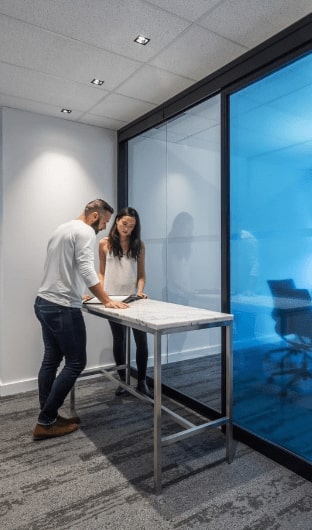
Future school furniture will likely focus on adaptability and customization. Modular designs that can be easily reconfigured will allow schools to adapt to various teaching styles and classroom activities. Customizable features, such as adjustable heights and interchangeable components, will cater to the diverse needs of students and educators.
Collaboration With Tech Companies
As technology plays an even more significant role in education, collaborations between furniture manufacturers and tech companies will become more common. These partnerships will drive innovation in furniture design, resulting in products that seamlessly integrate the latest technological advancements.
Emphasis On Circular Economy
The concept of a circular economy, where products are designed for reuse and recycling, will become increasingly important in school furniture design. Institutions will look for furniture solutions that align with circular economy principles, reducing waste and promoting sustainability throughout the product lifecycle. Smart and sustainable education furniture represents a crucial step towards creating learning environments that are both technologically advanced and environmentally responsible. By embracing these trends, schools can enhance the learning experience, promote sustainability, and support the well-being of students and educators. As the education landscape continues to evolve, the integration of technology and eco-friendly design in school furniture will play a vital role in shaping the future of education. Connect with Harkel Office – a premier education furniture dealer in Ontario, to create your sustainable educational space. Call us at 905-417-5335 or visit https://harkeloffice.com for more info.