Evolution Of Healthcare Furniture For Infection Control
Over the years, healthcare furniture has undergone significant transformations, one of the major driving factors being to enhance infection control in healthcare settings. As healthcare environments are places where patients are most vulnerable, reducing the risk of infection transmission has become a major concern. This article delves into the evolution of healthcare furniture, how advancements in materials, design, and technology are playing a crucial role in infection prevention and control in healthcare settings.
Historical Background
In the earlier days of healthcare, furniture was primarily designed with comfort and functionality in mind, often neglecting the critical aspect of infection control. Wooden furniture and fabric upholstery, which were commonplace, are not ideal in preventing the spread of infections due to their porous nature, which can harbour germs and bacteria. The recognition of healthcare-associated infections (HAIs) as a significant threat triggered a shift in focus towards more hygienic materials and designs.
Material Innovations
One of the most significant advancements in healthcare furniture is the development of non-porous, antimicrobial materials. Modern healthcare furniture is often constructed from materials such as stainless steel, high-density polyethylene, and specially-treated plastics, which resist microbial growth. These materials are easy to clean and disinfect, reducing the risk of contamination.
Antimicrobial Coatings
The introduction of antimicrobial coatings has been revolutionary in infection control. These coatings, applied to surfaces, contain agents that inhibit the growth of microorganisms. Copper and silver ions, for instance, are known for their antimicrobial properties and are increasingly used in coatings for healthcare furniture to provide an additional layer of protection against infections.
Design Enhancements
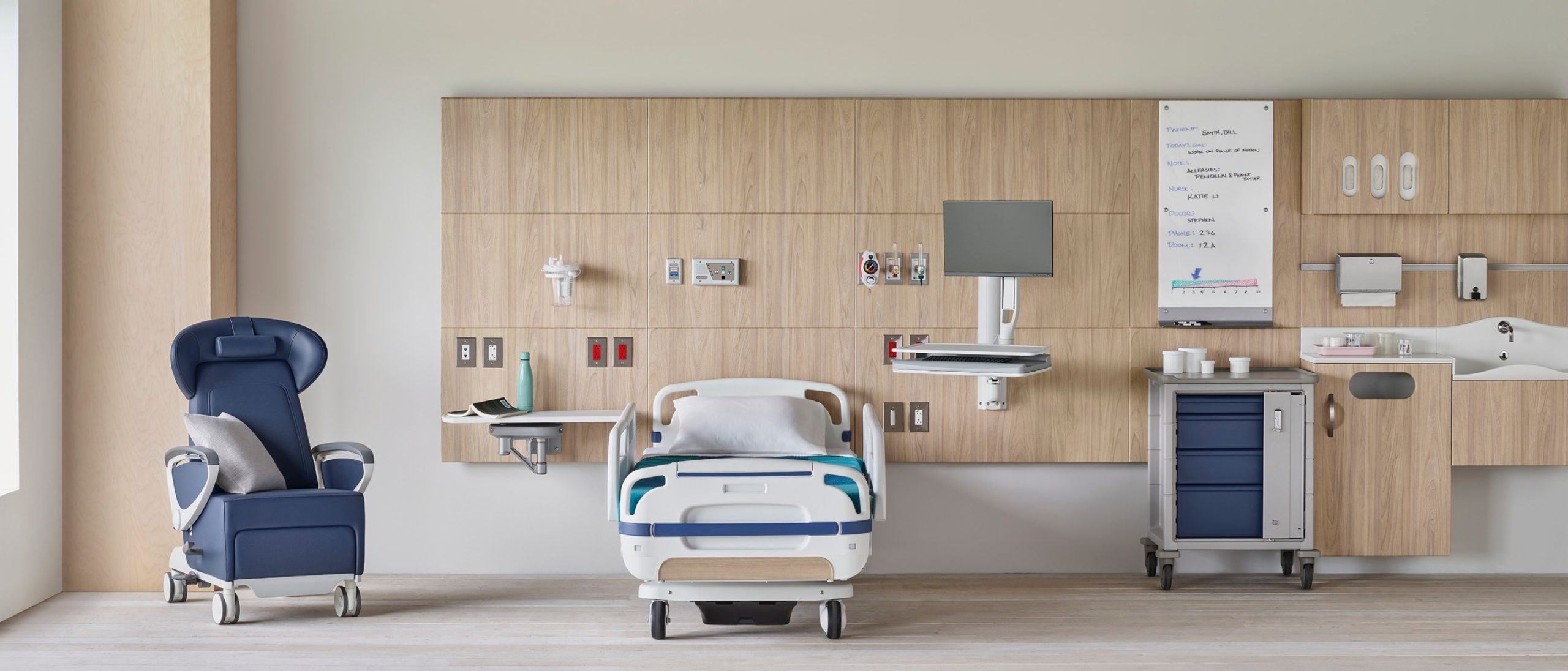
In addition to materials, the design of healthcare furniture has evolved to prioritize hygiene. Seamless and smooth surfaces, rounded edges, and minimal joints are now standard in healthcare furniture design to prevent the accumulation of dirt and bacteria.
Easy-To-Clean Designs
Healthcare furniture designs have also been optimized for easy cleaning and disinfection. Removable cushions, for example, allow for thorough cleaning and replacement, which is essential in maintaining hygiene standards. Additionally, many chairs and beds are designed with open frames to provide easier access for cleaning.
Technological Advancements
Technology has further propelled the evolution of healthcare furniture. Innovations such as UV-C light technology are being integrated into furniture design to enhance infection control. UV-C light has been proven to kill bacteria and viruses effectively, and its application in furniture can provide continuous disinfection, particularly in high-touch areas.
Smart Furniture
The advent of smart furniture has brought about new possibilities in infection control. Integrated sensors can monitor cleaning schedules and alert staff when disinfection is necessary. Moreover, some smart furniture is equipped with self-cleaning surfaces that automatically disinfect themselves at regular intervals, reducing the need for manual cleaning.
Impact Of The COVID-19 Pandemic
The COVID-19 pandemic has underscored the importance of infection control in healthcare settings, accelerating the adoption of innovative furniture solutions. During the pandemic, healthcare facilities have prioritized the use of furniture that can withstand rigorous cleaning protocols and frequent disinfection without degradation.
Adaptable Furniture Solutions
With the need for social distancing and isolation of patients, adaptable furniture solutions have become essential in healthcare settings. Modular furniture that can be easily reconfigured is heavily utilized to create barriers or isolate patients as needed. This flexibility not only aids in infection control but also in managing the dynamic needs of healthcare settings during a crisis.
Future Outlook
The future of healthcare furniture will likely see further integration of advanced technologies and materials aimed at enhancing infection control. As research continues, we can expect the development of new antimicrobial materials and smart technologies that will offer even more robust solutions for infection prevention.
Implementing innovative materials, advanced designs, and cutting-edge technologies, healthcare furniture continues to adapt to the ever-changing landscape of infection control. As the healthcare sector evolves, furniture will undoubtedly play a crucial role in creating safer, cleaner, and more efficient environments for patients and healthcare professionals alike. Connect with Harkel Office – a leading Canadian healthcare furniture dealer in Ontario to create your safe, welcoming, and efficient healthcare facility.