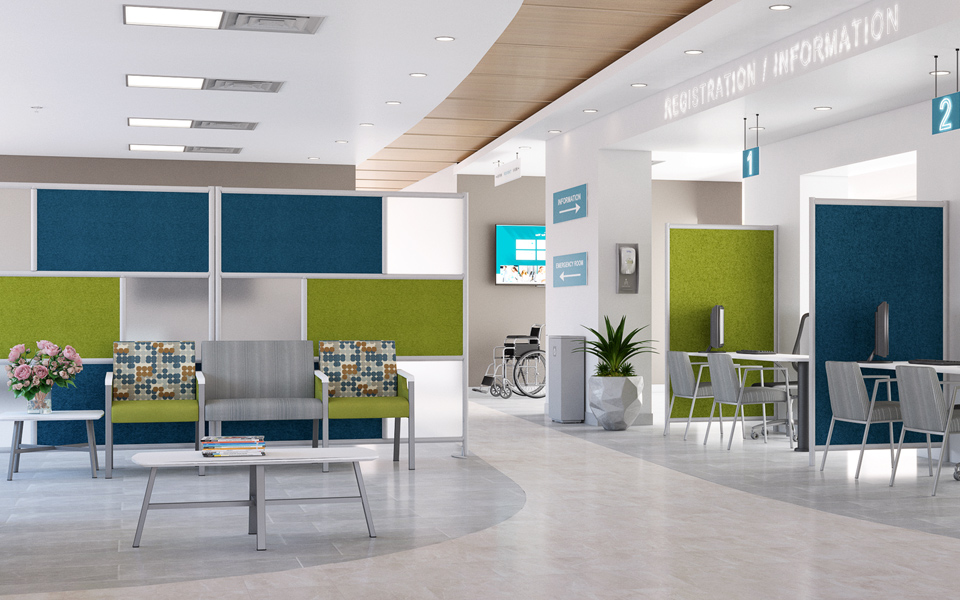
The Rise Of Ergonomics, Privacy, And Acoustic Solutions In Healthcare Spaces
In the ever-evolving landscape of healthcare, the design and functionality of spaces have become paramount to enhancing patient care and staff well-being. With growing awareness of the impact of the physical environment on health outcomes and operational efficiency, healthcare facilities are increasingly embracing ergonomics, privacy, and acoustic solutions. These elements not only contribute to a more comfortable and efficient setting but also play a crucial role in improving the overall experience for patients and healthcare professionals alike.
The Importance Of Ergonomics In Healthcare
Ergonomics, the science of designing spaces and tools to fit the user’s needs, is especially critical in healthcare settings where both patients and staff are constantly interacting with various equipment and environments. Poor ergonomic design can lead to discomfort, injury, and decreased productivity, impacting the quality of care provided.
Enhancing Staff Productivity And Safety
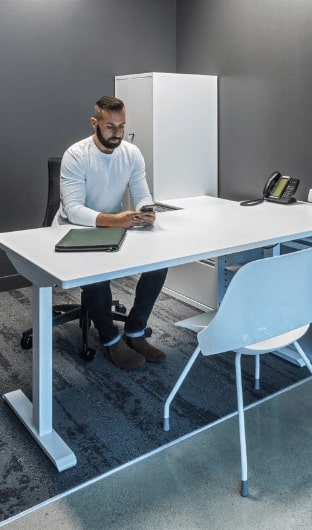
Healthcare professionals, from nurses to physicians, spend long hours on their feet, often in fast-paced and high-pressure environments. Ergonomically designed workstations, adjustable desks, and supportive seating can significantly reduce the risk of musculoskeletal disorders and fatigue. Features like height-adjustable desks allow staff to alternate between sitting and standing, promoting better posture and circulation.
Ergonomic solutions also extend to medical equipment. For instance, adjustable examination tables and patient beds can accommodate different body types and medical needs, reducing strain on both patients and caregivers. By minimizing physical stress, healthcare workers can maintain their focus and energy, ultimately enhancing their ability to provide exceptional care.
Improving Patient Comfort And Recovery
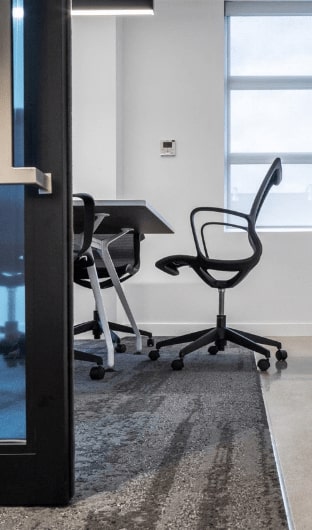
For patients, ergonomics plays a crucial role in ensuring comfort during treatment and recovery. Hospital beds with adjustable features, such as backrest inclination and leg support, allow patients to find comfortable positions that aid in healing. Ergonomic furniture in waiting areas and patient rooms, including chairs with proper lumbar support and armrests, enhances comfort and reduces anxiety during hospital stays.
Moreover, ergonomic design can facilitate patient independence. Furniture that is easy to navigate, with clear access points and intuitive controls, empowers patients to manage their own comfort, boosting their morale and contributing to faster recovery times.
The Role Of Privacy In Healthcare Environments
Privacy is a fundamental aspect of patient dignity and confidentiality. In healthcare settings, maintaining privacy is not only a matter of respect but also a legal requirement under regulations like PHIPA. Designing spaces that uphold privacy standards is essential for building trust and fostering a sense of safety among patients.
Architectural Solutions For Privacy
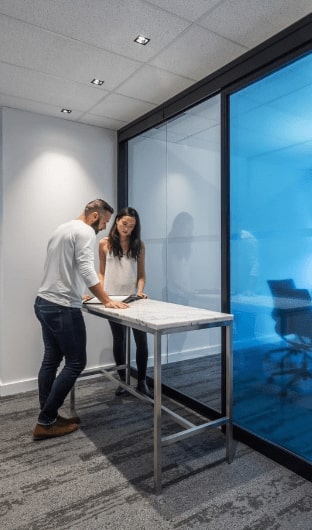
Healthcare facilities are increasingly incorporating architectural solutions to enhance privacy. Private consultation rooms, soundproof partitions, and frosted glass barriers are common features that ensure sensitive conversations remain confidential. These elements create discrete environments where patients can discuss their health concerns freely, without the fear of being overheard.
Technological Innovations
Technology also plays a role in enhancing privacy. Digital record systems with secure access protocols protect patient information from unauthorized access. Additionally, telehealth platforms with encrypted communication channels ensure that virtual consultations are as private as in-person meetings.
Psychological Impact
Ensuring privacy has a profound psychological impact on patients. When individuals feel their privacy is respected, they are more likely to engage openly with healthcare providers, leading to more accurate diagnoses and effective treatment plans. This trust-building aspect of privacy is integral to fostering positive patient-provider relationships.
Addressing Acoustic Challenges In Healthcare Spaces
Noise in healthcare environments can be a significant source of stress for both patients and staff. High noise levels can disrupt sleep, increase anxiety, and even affect recovery outcomes. Therefore, acoustic solutions are vital in creating a calm and healing atmosphere.
Implementing Acoustic Design
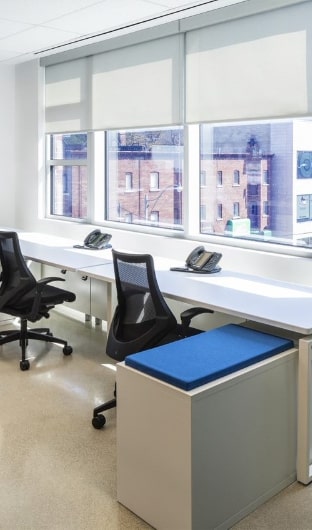
Healthcare facilities are incorporating acoustic design principles to minimize noise pollution. Sound-absorbing materials, such as acoustic panels, ceiling tiles, and carpeting, are used to reduce ambient noise levels. These materials help to absorb sound waves, preventing them from bouncing around rooms and creating a quieter environment.
Zoning and Layout Considerations
Intelligent space planning is another strategy to manage acoustics. By strategically zoning different areas, such as separating high-traffic corridors from patient rooms, facilities can minimize noise disruptions. Layouts that place noisy equipment away from sensitive areas, like recovery wards, further contribute to a serene atmosphere.
Enhancing Focus and Communication
For healthcare professionals, a quieter environment enhances concentration and communication. Reduced background noise allows for clearer conversations between staff and patients, improving the accuracy of information exchange and reducing misunderstandings. This clarity is crucial in high-stakes environments where precise communication can impact patient outcomes.
The rise of ergonomics, privacy, and acoustic solutions in healthcare spaces marks a significant shift towards designing environments that prioritize the well-being of both patients and staff. Ergonomic design enhances comfort and productivity, privacy fosters trust and dignity, and effective acoustic management creates a calming atmosphere conducive to healing.
As healthcare facilities continue to evolve, incorporating these design principles will be essential in meeting the demands of modern healthcare delivery. Creating spaces that support physical health, protect privacy, and promote tranquillity, healthcare providers can improve patient experiences, enhance staff satisfaction, and ultimately deliver higher-quality care. Connect with Harkel Office – a leading Canadian healthcare furniture dealer to create an inspiring healthcare space that promotes healing and well-being. Call us at 905-417-5335 or visit https://harkeloffice.com/healthcare.