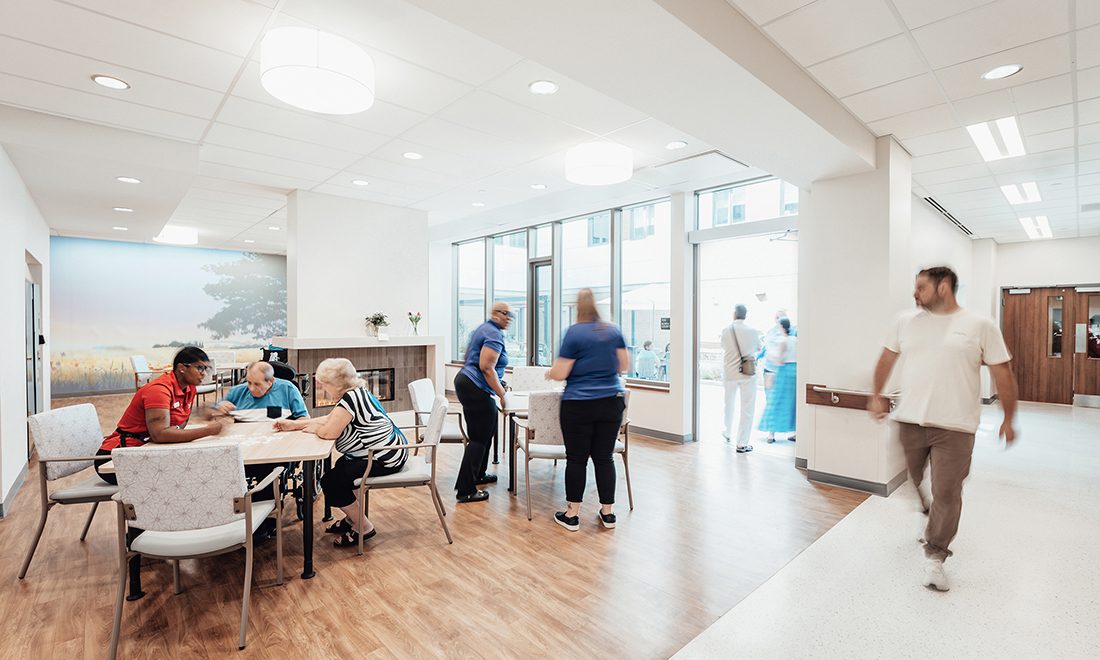
Designing A Human-centric And Comforting Rehabilitation Centre
In the realm of healthcare, rehabilitation centres play a crucial role in helping individuals recover and regain autonomy after a serious illness or injury. The design of these facilities should not only meet the functional needs of patients and staff but also create an environment that is warm, welcoming, and conducive to healing. Here are some essential considerations and strategies for designing a rehabilitation centre that is both human-centric and comforting.
Prioritize Accessibility and Safety
Ensuring that a rehabilitation centre is accessible and safe for all patients is paramount:
Universal Design: Implement universal design principles that accommodate individuals with varying levels of mobility. Features such as ramps, wide corridors, and non-slip flooring are essential.
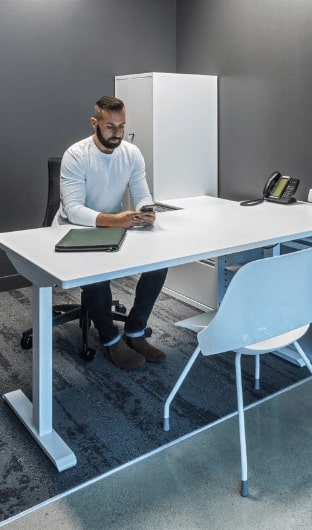
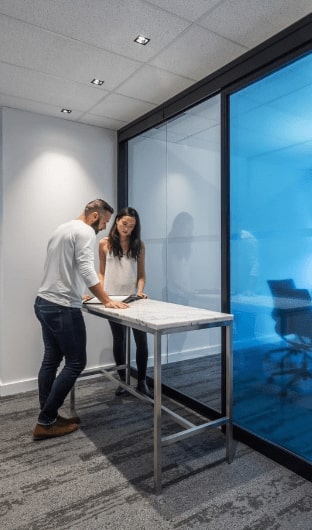
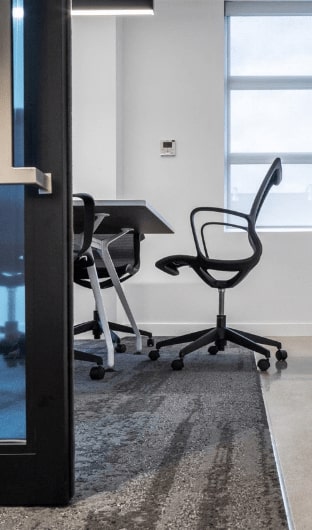
Ergonomic Furniture: Select furniture that supports comfort and ease of use, particularly for individuals with limited strength or range of motion. Adjustable beds, chairs with armrests, and accessible tables can greatly enhance patient comfort and independence.
Safety Features: Install handrails, grab bars, and emergency call systems in key areas to prevent accidents and provide peace of mind for both patients and staff.
Embrace Biophilic Design
Biophilic design integrates natural elements into architectural spaces to promote well-being. Incorporating nature into a rehabilitation centre can significantly enhance the healing process:
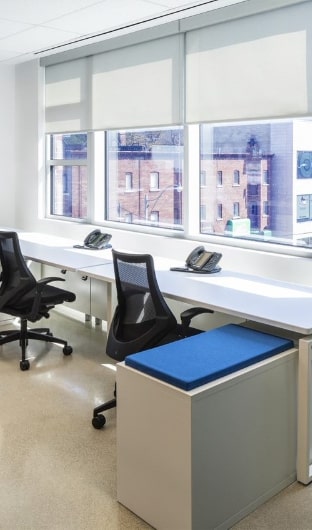
Natural Light: Maximize the use of windows and skylights to allow natural light to permeate the space. Exposure to natural light has been shown to improve mood and energy levels, which are critical for recovery.
Indoor Greenery: Include indoor plants and green walls to bring a touch of nature indoors. Plants not only improve air quality but also provide a calming aesthetic that can reduce stress and anxiety.
Outdoor Spaces: Design gardens and outdoor areas where patients can relax and engage in light physical activity. These spaces offer a therapeutic escape from the clinical environment and can be used for social interaction or quiet moments.
Foster A Sense Of Community
Social interaction and community support are vital for emotional well-being during rehabilitation:
Common Areas: Design communal spaces where patients can gather for social activities, group therapy, or simply to converse with others. These areas should be welcoming and adaptable to foster a sense of belonging and camaraderie.
Activity Rooms: Provide rooms equipped for various activities such as art therapy, music, or crafts. Engaging in creative activities can boost morale and encourage self-expression.
Family-Friendly Facilities: Include spaces where families can visit comfortably, such as family lounges or private meeting rooms. Keeping loved ones close can be an important part of the recovery process.
Integrate Technology Thoughtfully
Technology can enhance the functionality and therapeutic potential of a rehabilitation centre:
Smart Rooms: Equip patient rooms with smart technology that allows for easy control of lighting, temperature, and entertainment systems. This gives patients more control over their environment, promoting comfort and autonomy.
Telehealth Services: Incorporate telehealth capabilities to facilitate remote consultations and therapy sessions. This is particularly useful for follow-up care and maintaining continuity of treatment.
Rehabilitation Equipment: Invest in state-of-the-art rehabilitation equipment that can be tailored to individual patient needs, helping to optimize therapy outcomes.
Create A Soothing Atmosphere
The atmosphere of a rehabilitation centre should be soothing and stress-reducing:
Colour Schemes: Use calming colour palettes that evoke a sense of tranquillity. Soft blues, greens, and earth tones are often used to create a peaceful environment.
Acoustics: Pay attention to acoustics to minimize noise, which can be distracting and stressful for patients. Soundproofing materials and quiet areas can help maintain a serene atmosphere.
Personalization Options: Allow patients to personalize their spaces with personal items, photos, or decor. This can enhance their comfort and sense of ownership over their recovery environment.
Collaborate With Stakeholders
Successful design requires collaboration with those who will use and work within the space:
Patient and Staff Input: Engage both patients and staff in the design process to gain insights into their needs and preferences. Their feedback can guide design decisions and ensure the centre meets real-world requirements.
Healthcare Professionals: Work with healthcare professionals to understand the clinical needs and workflows that should be supported by the facility’s design.
Architects and Designers: Collaborate with experienced architects and designers who specialize in healthcare environments. Their expertise can help translate complex requirements into practical and innovative design solutions.
Designing a human and comforting rehabilitation centre is a challenge that requires attention to detail and empathy for the patient experience. By focusing on elements such as biophilic design, accessibility, community, technology, and atmosphere, it’s possible to create a space that supports effective rehabilitation while also providing comfort and encouragement to those on their healing journey. Through thoughtful design, rehabilitation centres can become not just places of recovery, but environments of hope and renewal. Connect with Harkel Office – a leading healthcare furniture dealer in Ontario, to create a thoughtful and comforting rehabilitation centre or any other healthcare facility. Call us at 905-417-5335 or visit https://harkeloffice.com/healthcare.