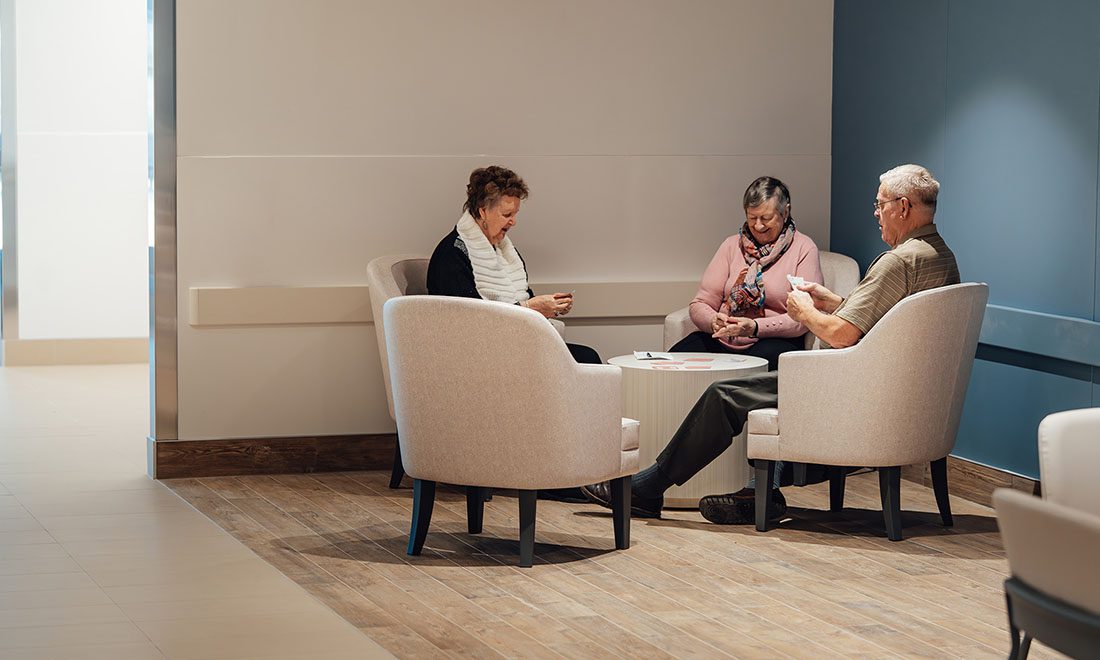
Colour, Texture, And Comfort: Designing Spaces That Reduce Anxiety In Seniors
As we age, our physical and emotional needs evolve, and the environments we inhabit can significantly impact our well-being. For seniors, creating spaces that foster comfort and reduce anxiety is crucial in promoting a sense of safety and peace. Thoughtful design choices, particularly in colour, texture, and comfort, can transform a living space into a sanctuary that enhances quality of life. Let’s explore how these elements can be utilized to design spaces that alleviate anxiety and support the well-being of seniors.
The Role Of Colour In Alleviating Anxiety
Colour has a profound impact on our emotions and can influence mood, behaviour, and even physiological responses. For seniors, selecting the right colour palette can help create a calming and reassuring environment.
Calming Colours
Soft, muted colours are generally recommended for creating a serene atmosphere. Shades of blue, green, and lavender are known for their calming effects, reducing stress and anxiety. These colours can be used on walls, furniture, and accessories to create a cohesive, tranquil space. Avoid overly bright or stark colours, as they can be stimulating or overwhelming for some seniors.
Warm Tones For Comfort
Incorporating warm tones like soft yellows, peaches, and warm neutrals can add a sense of coziness and warmth to a space. These colours can evoke feelings of comfort and security, making them ideal for areas where relaxation is the primary focus, such as common areas and bedrooms.
Avoiding Overstimulation
While colour is a powerful tool, it’s essential to avoid overstimulation. Busy patterns or a mix of too many bright colours can be overwhelming for seniors, particularly those with cognitive impairments. Striking a balance between colour variety and simplicity is key to creating a harmonious environment.
The Importance Of Texture In Creating Comfort
Texture plays a significant role in how we perceive and interact with our surroundings. For seniors, incorporating a variety of textures can enhance the sensory experience and contribute to comfort and safety.
Soft Textures For Comfort
Incorporating soft textures, such as plush cushions, throws, and upholstered furniture, can make a space feel more inviting and comfortable. These elements provide tactile comfort, encouraging relaxation and reducing anxiety. Consider using materials like cotton, wool, or chenille, which are gentle on the skin and provide a sense of warmth.
Textured Flooring For Safety
Textured flooring can help prevent slips and falls, a common concern for seniors. Non-slip rugs or carpets can provide additional safety and comfort underfoot. When selecting flooring materials, consider options with a slight texture that offers grip without being too hard or uncomfortable to walk on.
Variety For Sensory Engagement
Offering a variety of textures can also stimulate the senses and engage seniors on a sensory level. This can be particularly beneficial for individuals with cognitive impairments, as it encourages exploration and interaction with the environment. Incorporate different materials, such as wood, metal, and fabric, to create a rich sensory experience.
Comfort As The Cornerstone Of Design
Comfort is the foundation of any environment aimed at reducing anxiety, especially for seniors. Designing with comfort in mind means considering both physical and emotional needs.
Ergonomic Furniture
Ergonomically designed furniture is essential for supporting seniors’ physical comfort. Chairs and sofas with proper lumbar support and cushions that promote good posture are crucial. Adjustable furniture that accommodates individual preferences can enhance comfort and reduce physical strain.
Accessible Design
Designing spaces with accessibility in mind ensures that seniors can navigate their environment easily and independently. This includes features like grab bars in bathrooms, wide doorways for mobility aids, and furniture that is easy to get in and out of. An accessible design minimizes frustration and enhances confidence, contributing to overall well-being.
Personalization And Familiarity
Incorporating personal touches and familiar items into the design can significantly impact a senior’s comfort level. Personalization creates a sense of ownership and connection to the space, which can alleviate anxiety. Encourage the display of personal mementos, photographs, and cherished objects to make the environment feel truly like home.
Integrating Nature For Emotional Well-being
Nature has a calming effect and can significantly enhance the emotional well-being of seniors. Incorporating natural elements into design can reduce anxiety and promote a sense of peace.
Indoor Plants
Indoor plants can improve air quality and provide a natural aesthetic that promotes relaxation. Consider low-maintenance plants that are easy to care for, such as succulents or peace lilies. The presence of greenery can lift spirits and create a more soothing atmosphere.
Natural Light
Maximizing natural light is another way to bring the outdoors in. Ensure that windows are unobstructed and allow plenty of sunlight into the space. Natural light can improve mood, regulate circadian rhythms, and create a more inviting environment.
Outdoor Spaces
If possible, create outdoor spaces that seniors can easily access and enjoy. A small garden, patio, or balcony can provide a peaceful retreat and encourage outdoor activities, which are beneficial for physical health and emotional well-being.
Designing spaces that reduce anxiety for seniors involves a thoughtful approach to colour, texture, and comfort. By focusing on these elements, we can create environments that promote relaxation, safety, and emotional well-being. Whether it’s through calming colour schemes, comfortable ergonomics, or the integration of nature, these design choices play a crucial role in enhancing the quality of life for seniors. Connect with Harkel Office – a leading healthcare furniture dealer in Ontario to find personalized furniture pieces that evoke a sense of home in long-term care residents. Call us at 905-417-5335 or visit https://harkeloffice.com/healthcare.